Using Bitcoin Mining Waste Heat: Do Home Heaters Pay Off?

This article was translated from Japanese with AI. Read the original (日本語) · Report a translation issue
Recently, a post went viral on Japanese Twitter claiming that a water heater capable of mining Bitcoin was being demoed at CES 2026, the well-known technology and consumer electronics trade show held in the US.
フィジカルAIブームの中突如現れた謎テクノロジー。
— 五十嵐 (@biz_fx50) January 10, 2026
CES 2026で話題。
“ビットコインを掘る給湯器”が登場。
・50ガロン給湯器にASICビットコインマイナーを内蔵
・消費電力は通常の電気給湯器と同等
・給湯しながらBTCを生成
・マイニング収益で給湯コストを相殺できる可能性… pic.twitter.com/mrCjxHrhjc
Many readers may already know this, but putting the waste heat from mining to use has been an active area for quite a long time. In Canada, for example, there are projects using it to heat nearby homes and farmers' greenhouses, and in the United Arab Emirates there are projects using it to desalinate seawater.
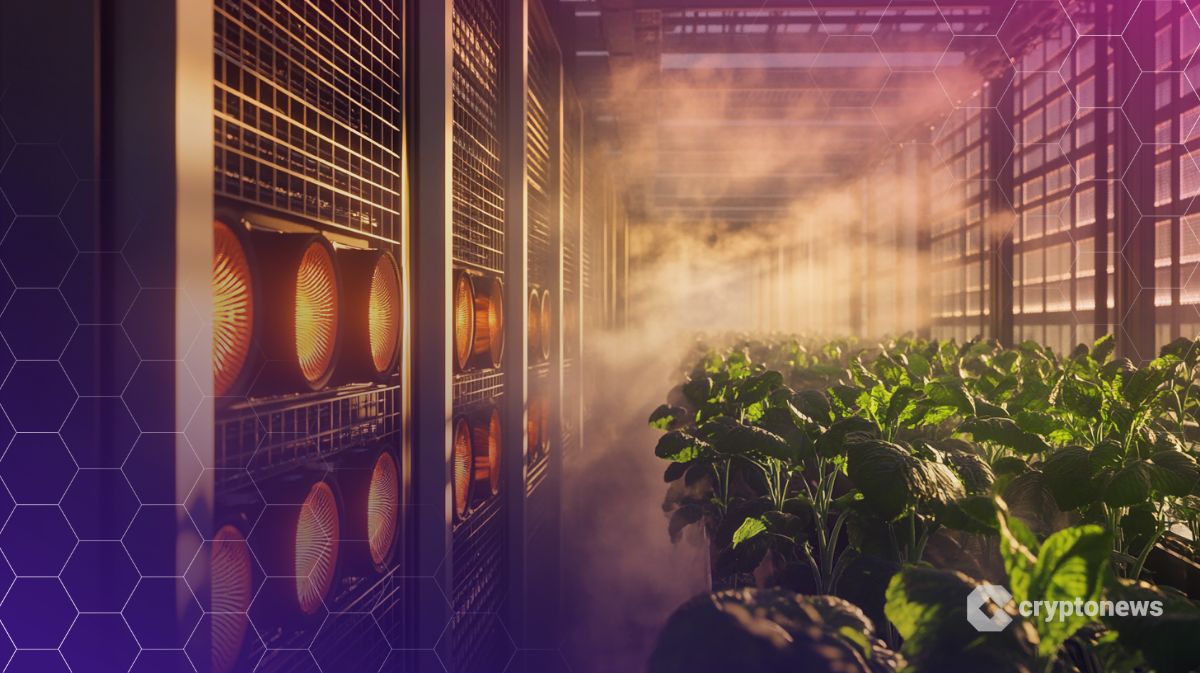
Bitcoin Mining Gets Greener: Canaan Recycles Heat for Farms
Canaan launches 3 MW Bitcoin mining pilot in Canada recycling waste heat for greenhouse farming as renewable energy reaches 52% of network.
 Anas Hassan
How Bitcoin Improves Water Abundance In Water Scarce Nations
Bitcoin can even fix water shortages in water poor nations. Yes, really.
 Daniel Batten

In fact, the Japan Bitcoin Industry Inc. office has an Avalon Mini 3, a heater that warms the room with the waste heat from mining. It was featured in a video on the "Reiwa kara no BTC Sodanjo" YouTube channel.
Today I'll introduce some products that make use of mining waste heat and run the numbers to see whether they actually make economic sense.
- Large-scale uses of mining waste heat
- Plenty of home mining heaters exist, too
- Why mining and renewable energy go so well together
Large-scale uses of mining waste heat
Mining puts huge numbers of specialized chips (ASICs) to work on computation, so it produces a lot of waste heat. If you've ever seen mining hardware, the cooling fans probably left an impression. The noise those fans make when they spin is just as striking.
An interview video filmed at a site run by Agile Energy X, a company in Japan that mines Bitcoin with renewable energy from power plants that have not yet started selling electricity to the grid.
This waste heat is a nuisance: if the ASICs can't be cooled sufficiently, it affects their lifespan and performance, so in most cases building fans blow it outside. But some operations have recognized that the heat itself has value and are putting mining waste heat to use at scale.
As mentioned at the start, examples include using it as a heat source for seawater desalination plants and agricultural greenhouses. The video below shows a case in the Netherlands where waste heat from Bitcoin mining is used to grow tulips. Given that Bitcoin is sometimes compared to the tulip bubble, it's a project with a sense of humor, too.
A bathhouse in New York reportedly learned that someone in the US had turned their home pool into a heated pool using mining waste heat, so it bought about 2,000 TH/s of mining hardware and uses it to manage the facility's water temperature. At the time of the investment, that was enough to mine around 1.5–2 BTC a year. Of course, the facility didn't replace all of its heat sources with mining machines, but its utility bills reportedly didn't change much either.
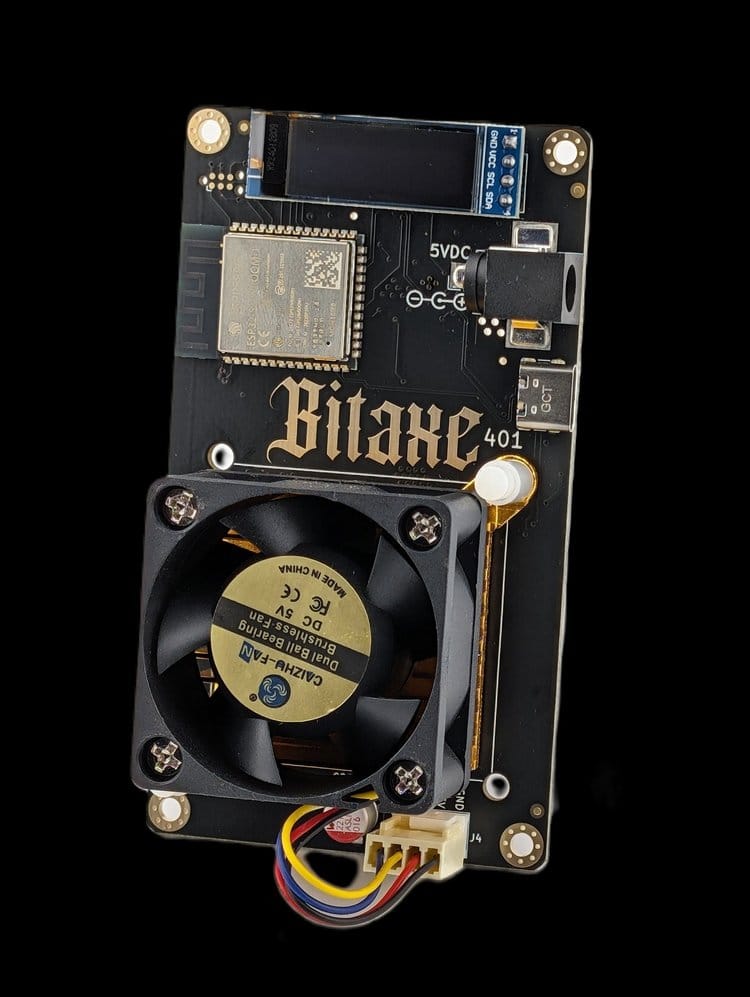
2,000 TH/s is equivalent to 3,000 units of the Bitaxe Supra I covered previously, or 50 units of the Avalon Mini 3 that appears in the video mentioned at the start. And since they installed it around 2022, it was a very large hashrate by the standards of hardware back then.
For more on the Bitaxe, see my earlier article.
ホビーマイニングの最先端?BitAxeシリーズが面白い
皆さんは「ホビーマイニング」と聞いてどんな光景を想像しますか? 一昔前であれば家にグラフィックボード数台を用意してアルトコインをマイニングしている人がいましたが、最近でも古めのASIC(Bitmain Antminer S9など数世代前のもの)を買って冬場にヒーター代わりに稼働しているビットコイナーの姿をときどき見ます。 ただ、日本だとS9を1台稼働させるのも難しいかもしれません。まず、消費電力が1500Wほどあるため、24時間稼働させるには家の電気容量がそこそこ大きい必要があります。 例えば私が以前暮らしていた単身者向けアパートだと電気容量は20Aだったため、S9を稼働させると他にほとんど家電製品を使えないことになります。今の家は30Aなのでもう少し余裕がありますが、エアコンなどと合わせるとかなり厳しいです。 さらに騒音の問題があります。大型のASICはかなり発熱するため、冷却のために高速回転するファンが付属しています。これが非常にうるさいため、家の狭い日本では置き場所に困ります。(海外だとガレージや地下室、庭の小屋などに置かれがちなイメージです。)生活スペースに置くとしても
 加藤 規新
These facilities chose Bitcoin mining as a heat source, but in terms of thermal efficiency it isn't necessarily the best option. If conditions allow, for example if a heat pump can be used or cheap fossil fuels are available (that is, there are options other than electricity), those could well come out cheaper overall.
Still, there are benefits to putting mining waste heat to use:
• You can steadily accumulate bitcoin through your business activities
(you receive bitcoin in a way that works like cash back on your electricity bill)
• You contribute to the decentralization of mining and help strengthen Bitcoin
(a source of fulfillment for founders and executives, and, to take it to the extreme, a contribution to Bitcoin's security)
• It works as marketing to Bitcoiners and raises your profile
(you get covered in the news, attract more visitors, and become a facility people actively choose)
As with using Bitcoin in business outside of mining, a wide range of benefits can be expected.
Plenty of home mining heaters exist, too
Scaling things down, there are also many products small enough for a private home, like the 800 W Avalon Mini 3. Some people buy older-generation ASICs, put them in soundproofing boxes, and run them at home.
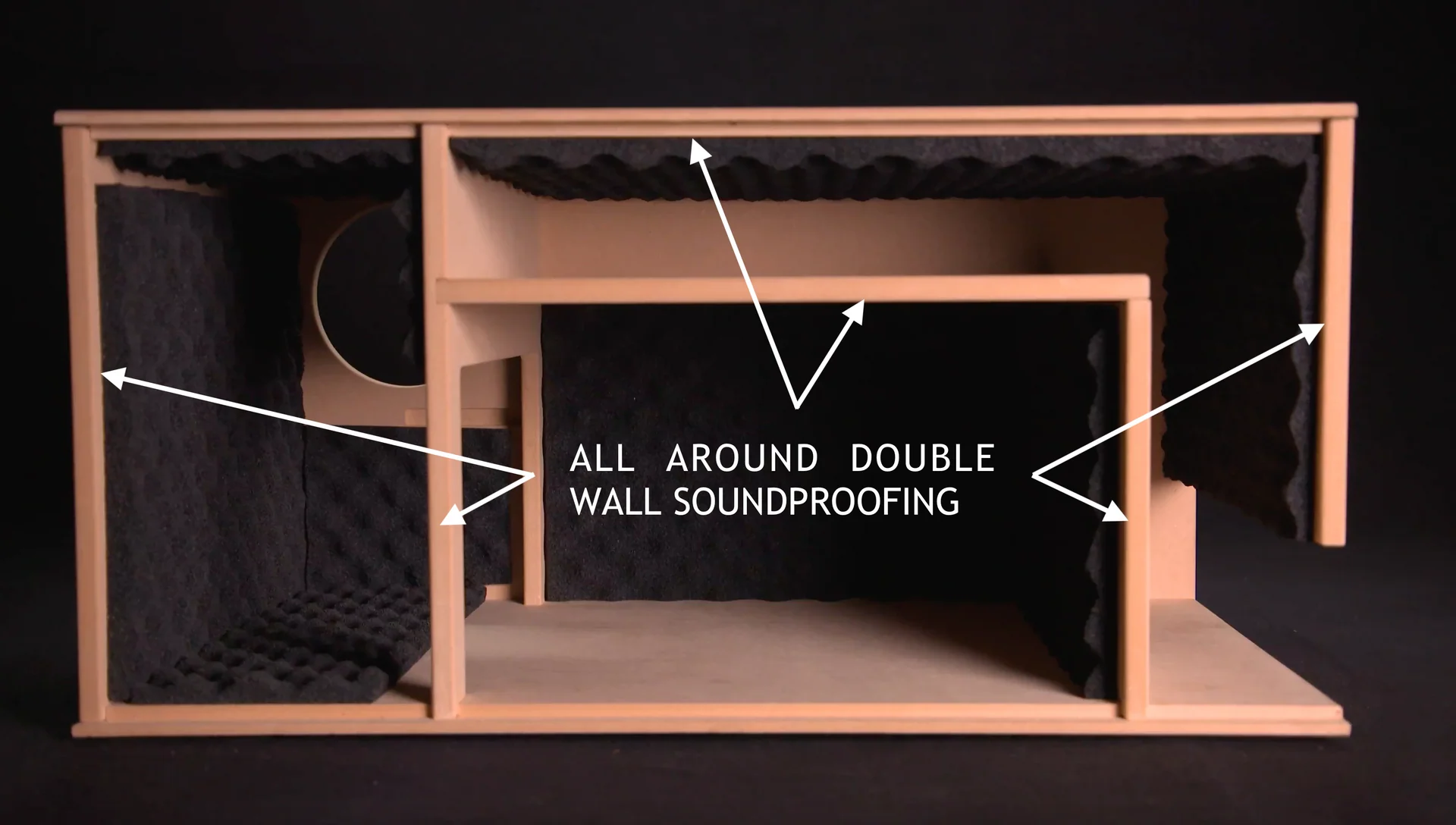
ASIC miner silencer modification kit | Zeus Mining
Professional ASIC miner silencer kit, reducing noise while ensuring heat dissipation, suitable for Antminer whatsminer avalonminer and other full range of miners.


An example of a site selling soundproofing kits
Residential electricity in Japan is especially expensive (around 30 yen/kWh), so even with the latest machines you can't recover your electricity costs, let alone your initial investment. But as an excuse for a hobby, it does give you a bit of warmth in winter. (Conversely, you probably can't run it in summer.)
Taking the Avalon Mini 3 as an example...
Monthly electricity cost: 800 W × 24 hours × 1 month × 30 yen/kWh = 17,280 yen
Monthly BTC mined: about 43,000 sats (0.00043000 BTC) = 6,490 yen
However, if you were already willing to leave an electric heater of the same output running 24 hours a day, you could look at it as having saved that much on your electricity bill.
Air conditioners are said to achieve around 400% electrical efficiency thanks to their heat pumps, so getting the same heating effect as the Avalon Mini 3, which is effectively a resistive heater (100%), would take an air conditioner drawing 200 W.
Electricity cost of a 200 W air conditioner providing the same heating effect as the Avalon Mini 3: 4,320 yen
So the Avalon Mini 3's effective loss comes to 6,470 yen a month.
Also, I doubt anyone runs a ceramic fan heater, which is likewise effectively a resistive heater, 24 hours a day, but if someone does, their electricity cost per unit of heat should be the same as with the Avalon Mini 3. By that calculation, they would get the full 0.00043 BTC a month at no extra cost.
Of course, mining hardware costs more up front, and because of differences in design as heating appliances, a dedicated heater may well feel warmer in practice...
Why mining and renewable energy go so well together
It has long been said that renewable energy and mining are a great match.
For those unfamiliar with the idea: most renewable energy depends on natural phenomena, so output swings sharply. The higher the share of renewables, the harder it becomes to control generation, yet the grid suffers blackouts whether it is fed too much electricity or too little.
So a model has been proposed, and is actually operating around the world, in which you always generate surplus power and flexibly consume the excess with mining, earning income in the form of bitcoin from electricity that otherwise couldn't have been sold.
*Put more abstractly, the same picture holds even without renewables, wherever there is surplus energy that can't be stored. You can review this topic in the following three earlier articles.
マイニングとエネルギー問題
こんにちは。AndGoのハードウェア担当の片山です。 実は僕は本職ではエネルギー分野に関する研究者をやっているということもあり,本日はマイニングとエネルギーについてお話していきたいと思います。 マイニングについて復習 まずマイニングの復習からしていきたいと思います。ビットコインのトランザクションは約1MBごとにブロックとしてまとめられます。さらにブロックに「ある値」を付け加えたものからハッシュ値というものを計算します。このときハッシュ値がある特定の値以下になるようにしなければいけません。ハッシュ値は付け加えた「ある値」によって不規則に変化するので,「ある値」を無作為に選んで,適切なハッシュ値が出るまで,何度もトライアルアンドエラーを繰り返す必要があります。これがマイニングで行われている計算です。(手動でやってみたい方向けに注釈*に方法を記しておきます。) この無駄な計算を全力で行うことがまさに Proof of Work でブロックチェーンの正当性を担保する作業です。 マイニングに必要なエネルギーを計算してみる 皆さんマイニングに必要なエネルギーってどのくらいか見積もって
AndGoハードウェア担当
ストランデッドガス田とマイニング
ビットコインのマイニングの話をする上で、電力源の検討は外せません。ASICが消費する電力を安く入手するためには、エネルギーの需給が崩れている土地・環境を見つける必要があります。そしてその環境は大規模な設備投資が難しい僻地や、土地の限られた施設内にあることも多いでしょう。 今回の記事は、“Ohmm”というコンテナ型のマイニングファームを製造・販売するUpstream Data社の取り組みと、彼らが有望な電力源の1つとしているストランデッドガス田の収益化が可能か見ていきます。 ストランデッドガス田とは 天然ガスは液体である石油と比べて保管・輸送にコストがかかるため、採算が取れないガス田は多く存在し、推定で地球上の天然ガスの埋蔵量の1/3は「ストランデッドガス田」と呼ばれる、現在の需要では開発が現実的でない場所に埋蔵されていると言われます。 天然ガスの輸送は主にパイプラインか、冷却・加圧する液化プラントと液化天然ガス専用のタンカーの組み合わせで行われており、採算を取るにあたって「消費地からの距離」が非常に大きな要素となります。例えば近距離であればパイプラインにつないで直接発電所などに
加藤 規新
産業用電力の余剰分を使ったマイニングは採算が取れるのか?
本稿でも何度か取り上げているように、世界ではエネルギー系企業においてビットコインマイニングの導入が盛んになってきました。代表的なものとして、石油を採掘する過程で産出するフレアガスを発電に利用してマイニングするケースや、発電所にASICを配置することで電力供給量を簡単に調整するケースなどがあります。共通点は余剰エネルギーの収益化です。 マイナーがやっていることも、発電側ではなく消費側で行われる点を除いて同一であるといえます。そこで気になったのが、マイニングではない事業を行っている工場において電気契約上の「余剰電力」があった場合、それを使ってマイニングを行って収益を期待できるのかです。 今日は工場が余った産業用電力でマイニングができそうか試算してみましょう。 マイナーの電気契約 マイナーは多くの場合、週7日24時間安定して電気を使うので電力会社からすると扱いが簡単な顧客です。電力供給側に必要なインフラ等の見通しが立てやすいことや、季節的な電力余剰の消費などが期待できることからマイナーは割引された電気料金で契約していることが多いです。 また最近では、需要逼迫時に電気会社側からの節
加藤 規新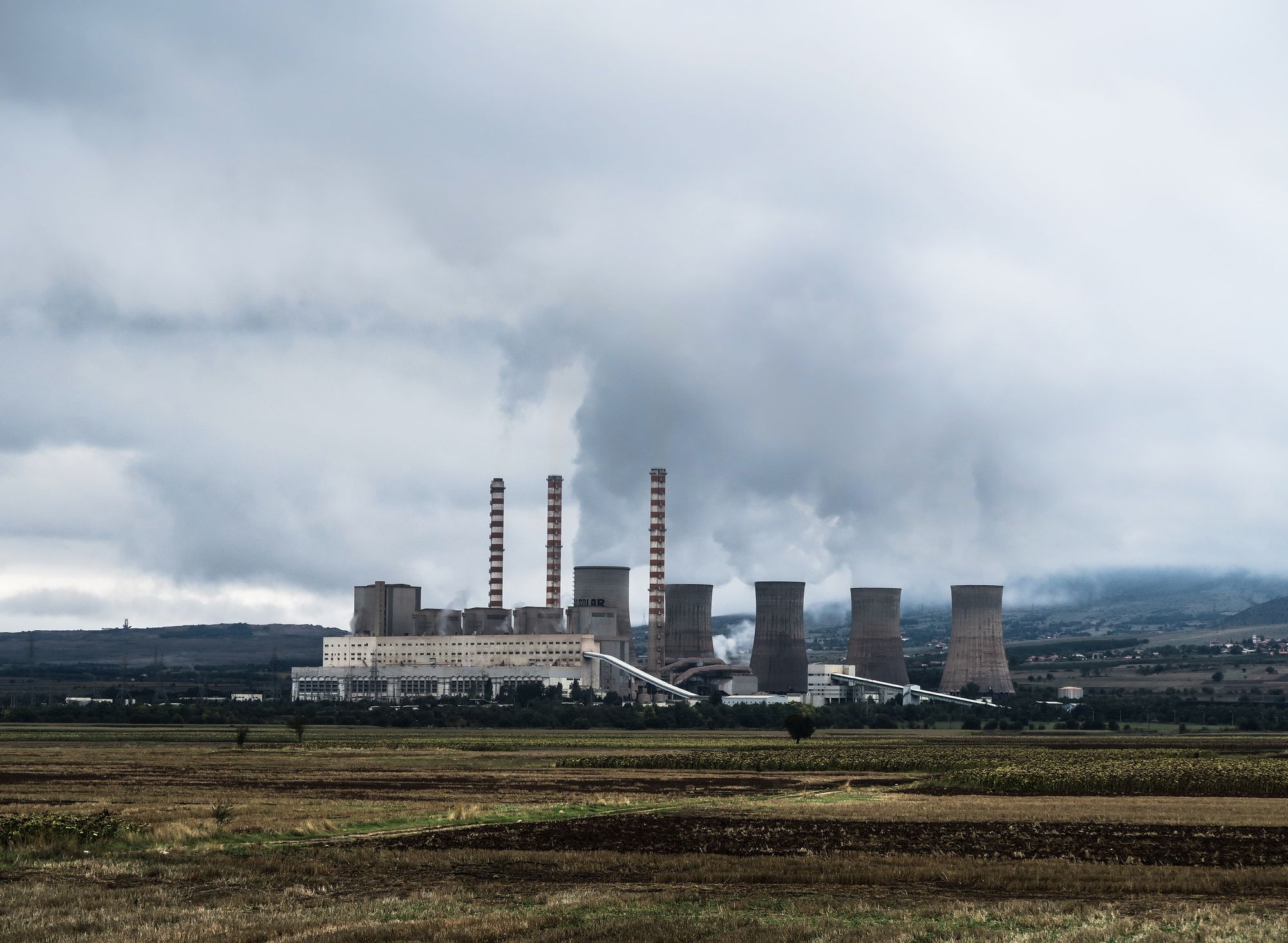
When mining consumes surplus energy, attention tends to go to its role in demand response, and indeed, if you look at publicly listed Bitcoin mining companies, most of their revenue sometimes comes from payments for curtailing their power use. But if the waste heat from mining hardware could be put to use, this model would likely become even more profitable.
That said, since the machines may be switched off in response to power demand, uses that involve living things, like agricultural greenhouses, may not be a good fit. If someone can come up with a way to use "waste heat from mining equipment that switches on and off at irregular times," it might lead to the discovery of a new business model.
Summary
• Mining hardware is less electrically efficient than a heat pump, but compared with a simple electric heater it heats just as well, which gives it an economic advantage. The initial investment, however, is high.
• It is an excellent fit for businesses that need heat, such as agricultural greenhouses, bathhouses and desalination plants.
• It also has the potential to become a new revenue stream for mining operations that make up for the weaknesses of renewable energy.