Using Bitcoin While Traveling: Tips, Tools and Pitfalls

This article was translated from Japanese with AI. Read the original (日本語) · Report a translation issue
Today I'm taking a break from the technical stuff to talk about using Bitcoin in everyday life.
I love traveling abroad, but once I'm somewhere, I sometimes can't decide what to do with my day. That's down to my lack of planning, but on days like that, rather than just wandering around town, I've gotten into the habit of hunting for places that accept Bitcoin to get a feel for the local Bitcoin payment scene.
Of course, some countries have laws that keep businesses from dealing in Bitcoin, but where that isn't the case, you can find more places than you'd expect. And there's a special thrill in successfully paying with Bitcoin while you're traveling.
Today I want to share some tips that will help you pay with Bitcoin when you travel.
• Handy tools for finding places that accept Bitcoin
• Common pitfalls when paying with Bitcoin or using ATMs
• A way you might come out ahead on the exchange rate
Handy tools for finding places that accept Bitcoin
First, some handy tools for finding shops and venues that accept Bitcoin while you're traveling. That said, they're pretty well known, so you may already be familiar with them.
BTC Map
The first is BTC Map.
 BTC Map
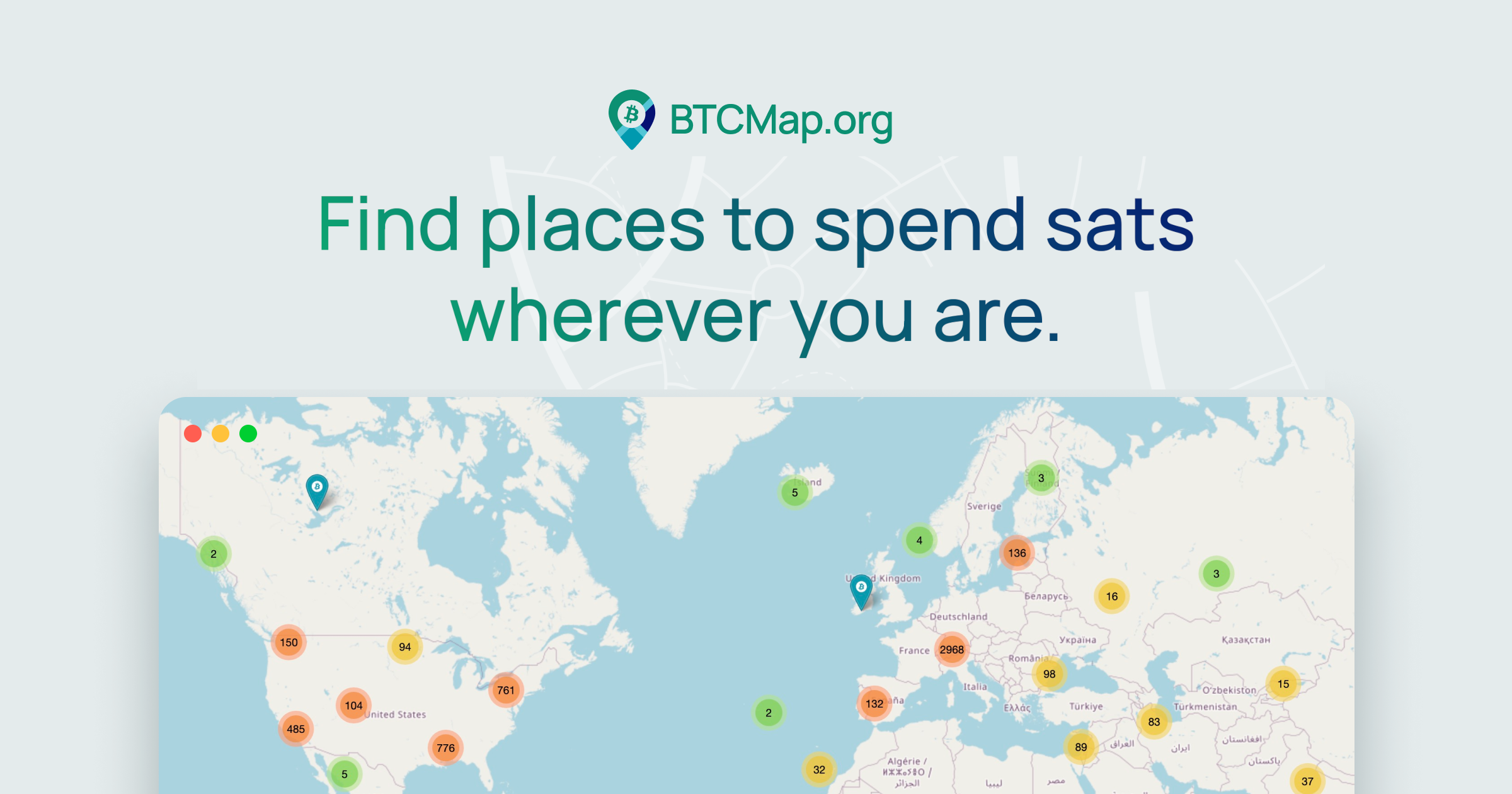
It's a site where users add businesses that accept Bitcoin payments. There are currently 18,352 locations registered worldwide, and for about half of them, someone has reportedly visited within the past year and confirmed they could actually pay. (You can check these figures on the dashboard.)
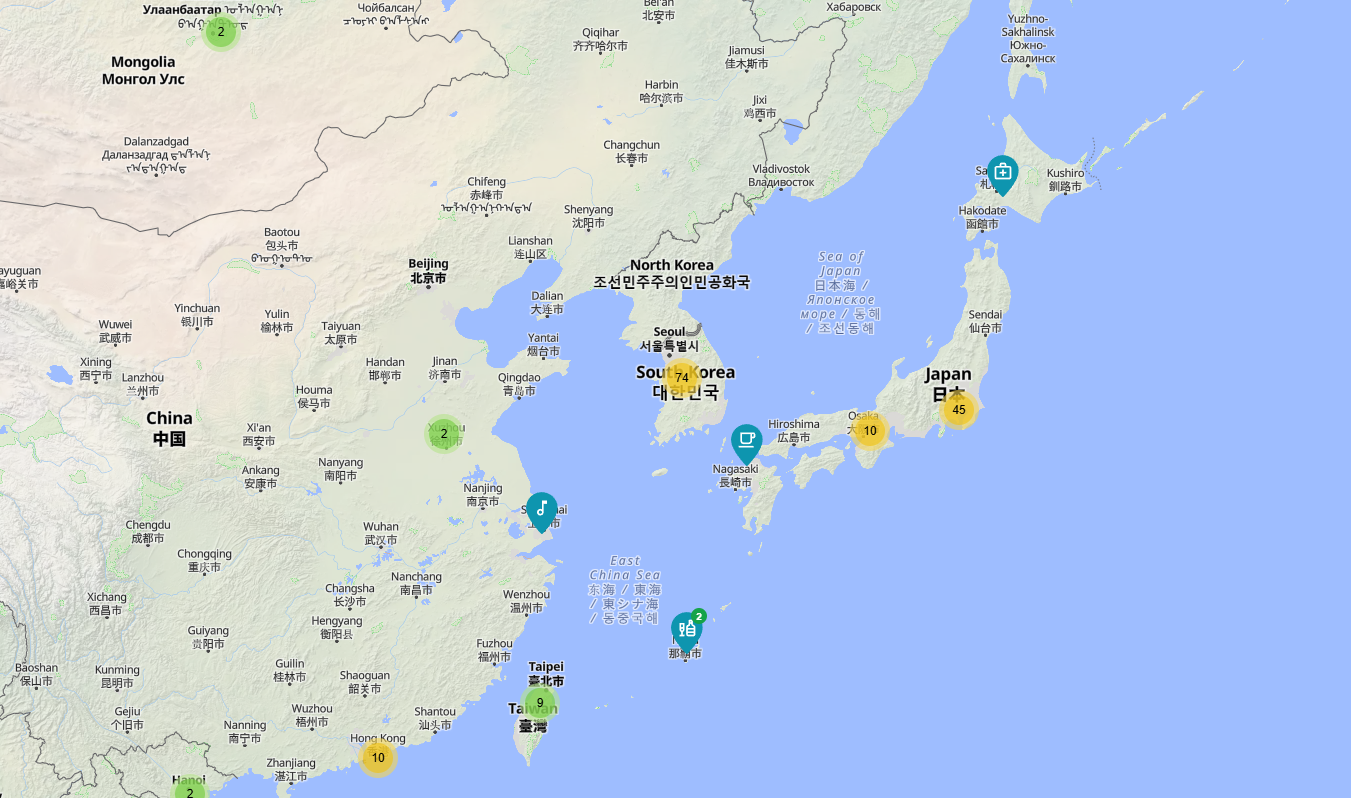
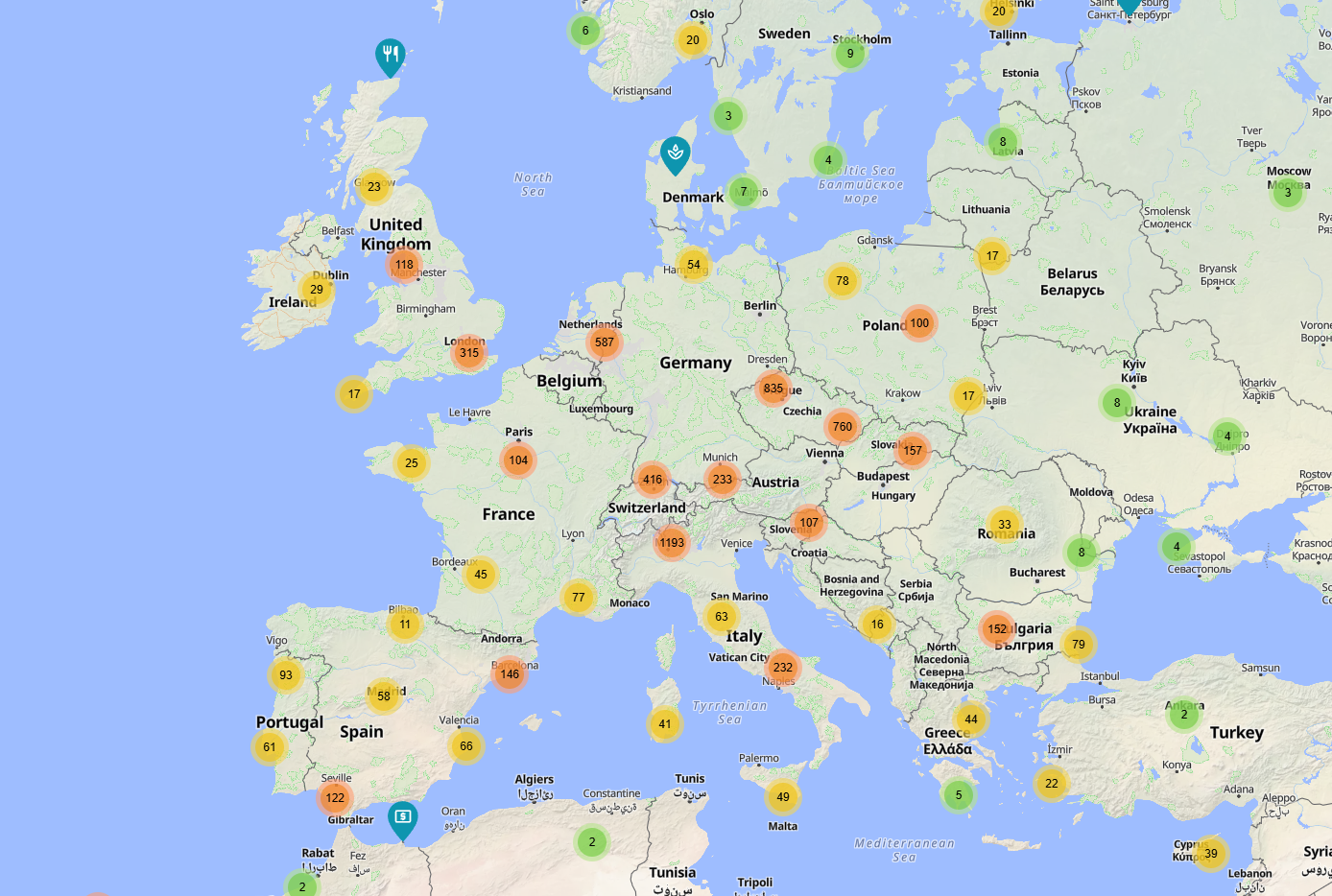
There's a lot of data, so it can be fairly slow to load, but it's very easy to understand. You have to zoom in to see exact locations, but when you're zoomed out it shows the number of locations in each area, which gives you a sense of density.
Square has announced that starting in November, retailers in the US will be able to accept Bitcoin payments (Lightning payments). If that spreads widely, the fun of deliberately seeking out places to pay with Bitcoin may fade away. BTC Map is all about the fun of the hunt.
Connecting the ecosystem with @Square has been the dream since we launched bitcoin in @CashApp in 2018
— Miles 🌞 (@milessuter) October 8, 2025
Starting today, all merchants can now seamlessly stack bitcoin behind the scenes from their daily sales
Bitcoin Payments Acceptance will be live for everyone on November 10 pic.twitter.com/mTqbu8wfGG
Coin ATM Radar
As the name suggests, Coin ATM Radar is a similar map site that specializes in Bitcoin ATMs (cryptocurrency ATMs). BTC Map lists Bitcoin ATMs too, but because Coin ATM Radar focuses on them, it's the easiest to use when that's what you're looking for. You can also find things other than ATMs, such as in-person OTC desks.
It lists 39,533 ATMs and 236,864 other services, far more than BTC Map, but that's because it includes convenience stores and the like that sell gift-card-style vouchers. That's right: Coin ATM Radar's scope covers not just "paying with Bitcoin" but also "buying Bitcoin," and in the real world, places where you can buy Bitcoin are far more common than places where you can pay with it.
 btc_dakara
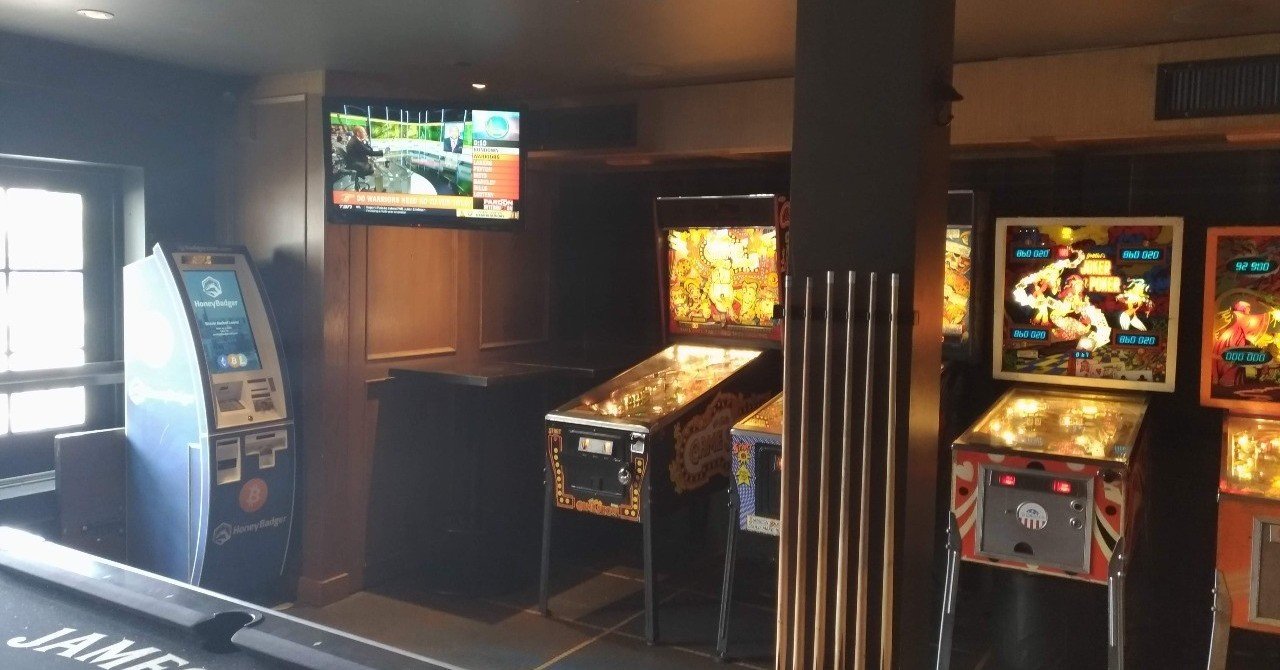
I learned about Coin ATM Radar from someone at a nearby OTC desk the first time I tried a Bitcoin ATM. Here's the article I wrote about it.
Besides the world map at the bottom of the page, if you go to the country pages (Countries → select a country), you'll get a map like the one below limited to that country. On the left you can choose which coin you want to trade (for Bitcoin, including whether it's on-chain only or Lightning-enabled), whether you want to buy or sell, and whether ATMs, in-person or other options are OK. You can tell it's built for ATMs.
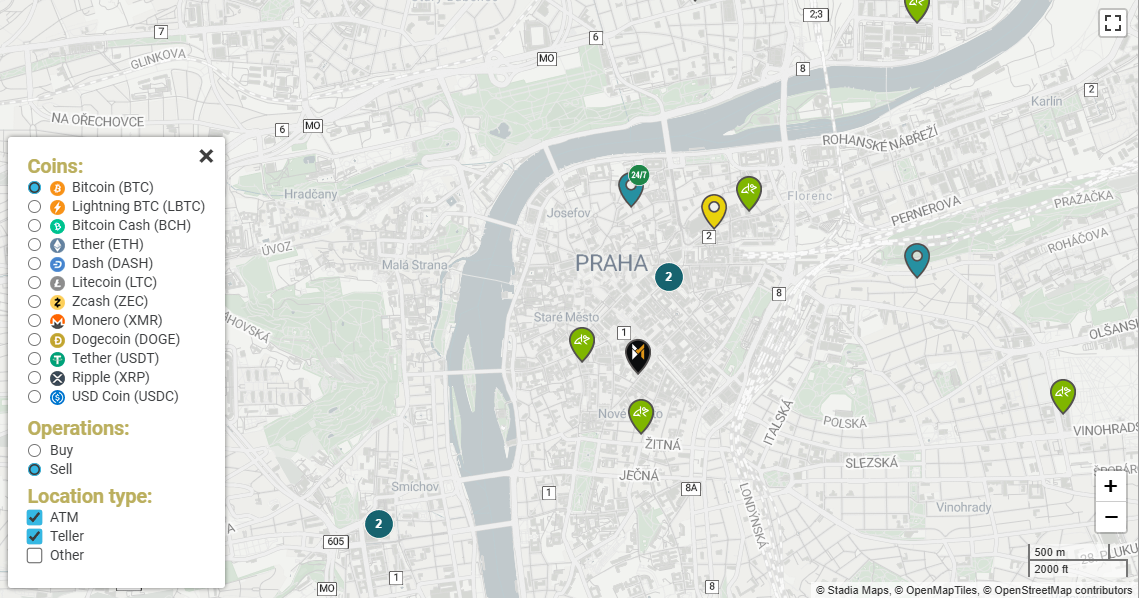
Another fun feature for enthusiasts is that you can filter by operator, so it even caters to anyone who wants to try several different kinds of Bitcoin ATMs. (As if anyone wants that!)
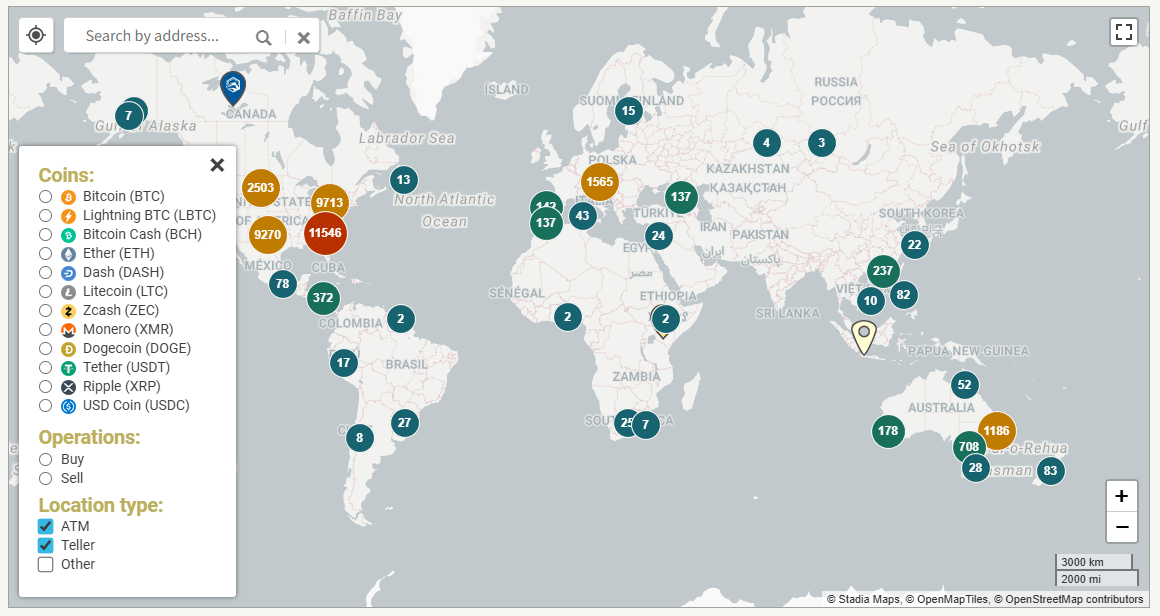
We live in a cashless age, but why not try converting some bitcoin into local currency just for the fun of it?
These two services are my main tools for finding places to use Bitcoin when I travel.
Common pitfalls when paying with Bitcoin or using ATMs
That said, finding a shop or ATM that supports Lightning payments on BTC Map or Coin ATM Radar doesn't mean you're home free. Don't let your guard down until the payment has gone through or you have the local currency in hand.
Typical problems at shops listed as accepting Bitcoin include "We used to accept Bitcoin but stopped," "There's no one here who knows how to do it," and "???" (the staff don't even know what Bitcoin is anymore). If the place is quiet, you might be able to patiently orange-pill them and win them over, but generally, if you hear any of those, you just have to give up.
Crypto ATMs can be pretty tricky too: many don't even support the Bitcoin → fiat currency direction in the first place. When they do, most work like this: the machine prints something like a receipt, you send bitcoin to the address on it, and after a certain number of confirmations you go back to the ATM, scan the QR code on the receipt, and the cash comes out. This step is a hotbed of trouble as well.
Being stuck next to the ATM because a new block is taking forever to be mined is a minor annoyance. The worst thing that's happened to me was when my bitcoin went through but no cash came out of the ATM (it was empty)! In the end, I tracked down the company's website from the name shown on the ATM's screen and went to their Telegram support page to complain. (It took a full day to resolve, so if I'd been on a tight schedule, I would have been in real trouble.)
So while I personally find ATMs more exciting, if you want to avoid trouble, OTC desks (also called tellers, in-person sales, counters and so on) are the safer bet. Weigh the romance against the risk.
btc_dakara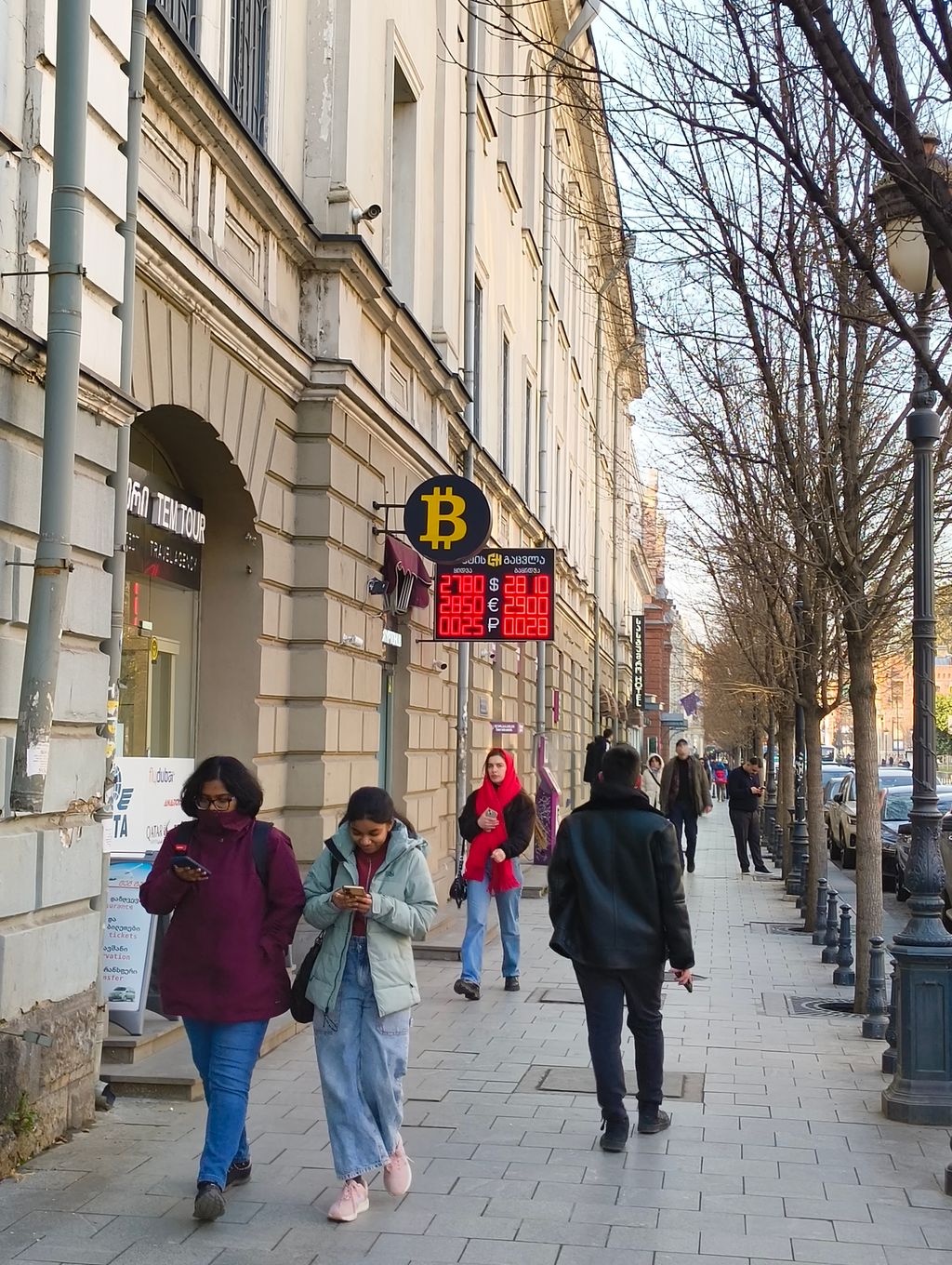
Here's my travel diary from when I ran into the trouble described above.
A way you might come out ahead on the exchange rate
Everyone knows Bitcoin ATMs charge high fees. And it's true that they generally seem to take around 8–18%. Considering that most transactions are small, the machines don't get used very often, and there's the cost of the machine itself, electricity and handling cash, that's fairly understandable.
But it turns out the fees can differ quite a bit depending on whether you're selling or buying!
As I mentioned in the travel diary above, when I exchanged bitcoin for local currency in Georgia (the country), it cost me almost nothing. Going the other way, from local currency to bitcoin, came with very high fees. I can think of a few possible reasons:
• More people use the ATMs to buy bitcoin, so cash piles up in the machines; paying it out to people who sell bitcoin lowers cash management costs. (So operators want to give sellers an incentive.)
• Capital controls make it hard to move money abroad, so demand for buying bitcoin is high and so are the fees, while the opposite direction is effectively "restocking" for the operator, so it's cheap. (Think of countries where exchanging local currency for foreign currency gets you a terrible rate.)
• Operators give better terms when what temporarily lands on their balance sheet is bitcoin rather than fiat currency.
I don't know whether any of these is true, and it isn't necessarily the same in other countries, but if you look up the rates, you may find they're surprisingly decent. The rates are sometimes listed on the websites of the ATM operators you find through Coin ATM Radar, so you can check before you go.
Summary
• Using Bitcoin abroad is fun! Finding places to spend it with BTC Map and Coin ATM Radar is one of the real pleasures of travel
• Bitcoin payments fall through for one reason or another fairly often. ATMs are unstaffed, so they're a real hassle when something goes wrong, but they have a certain romance
• ATMs are generally known for high fees, but going from bitcoin to local currency, the fees were sometimes low