New Satori Coin Uses 2-of-2 Multisig to Fix Physical Bitcoin

This article was translated from Japanese with AI. Read the original (日本語) · Report a translation issue
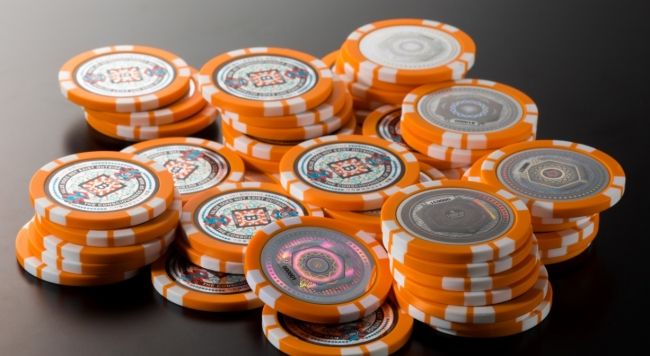
Satori Coin is a physical bitcoin from Japan. In 2016, each coin was sold for 500 yen with 0.001 BTC (about 40 yen at the time) loaded onto it. Unlike well-known metal physical bitcoins from overseas such as Casascius, it had a playful poker-chip design, and models made in collaboration with companies like bitFlyer were also handed out. Reportedly, 50,500 coins were issued in total.
本日のWBSで紹介された当社オリジナルの bitFlyer悟コインをゲットしよう!
— bitFlyer(ビットフライヤー) (@bitFlyer) May 22, 2017
コインの中には0.001BTCが封入されています。ホログラムシールを剥がし、秘密鍵のQRコードを読み取ることでビットコインを取り出すことも可能です。https://t.co/wzWs08Yjj7 pic.twitter.com/ZsDF5Wl435
For more on the original Satori Coin, see the Spotlight article below.
悟コインの開封率や種類・レア度に関するレポート
悟コインは2016年5月16日から株式会社来夢が販売を開始した日本製のフィジカルビットコインで当時の
 ずいずい
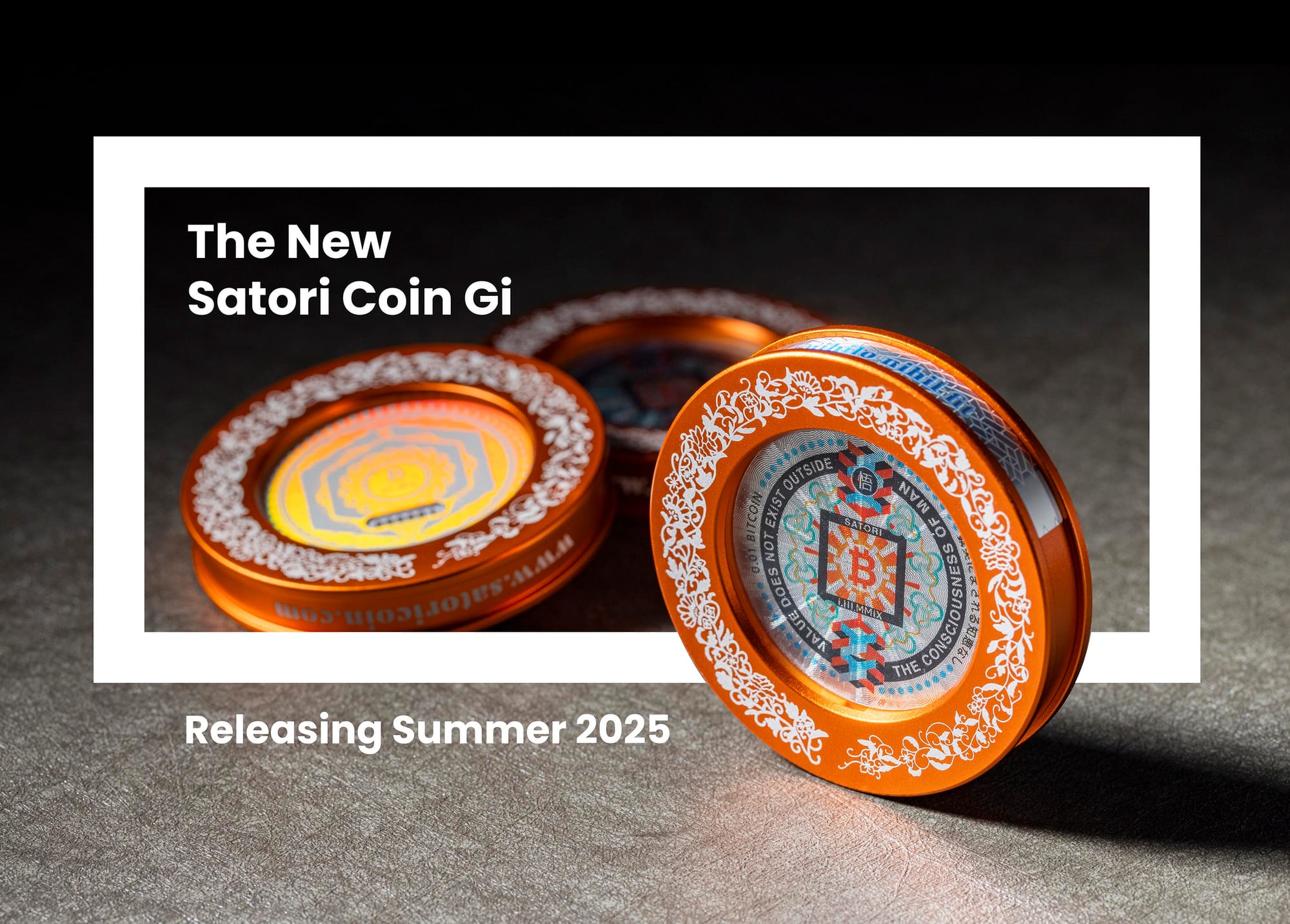
After Japan introduced regulations for cryptocurrency exchanges, Satori Coin (or rather its operator, Raimu) could no longer sell physical bitcoin in Japan and pulled out of the country in 2018. Now, surprisingly, they are about to release a new version. The new metal Satori Coin shown in this article's header image holds 0.01 BTC, ten times as much as before.
Satori Coin - The Bitcoin experience you can hold in your hand
Satori Coin is the Bitcoin experience you can hold in your hand. These expertly crafted physical Bitcoins are a great way to store or share value with others.

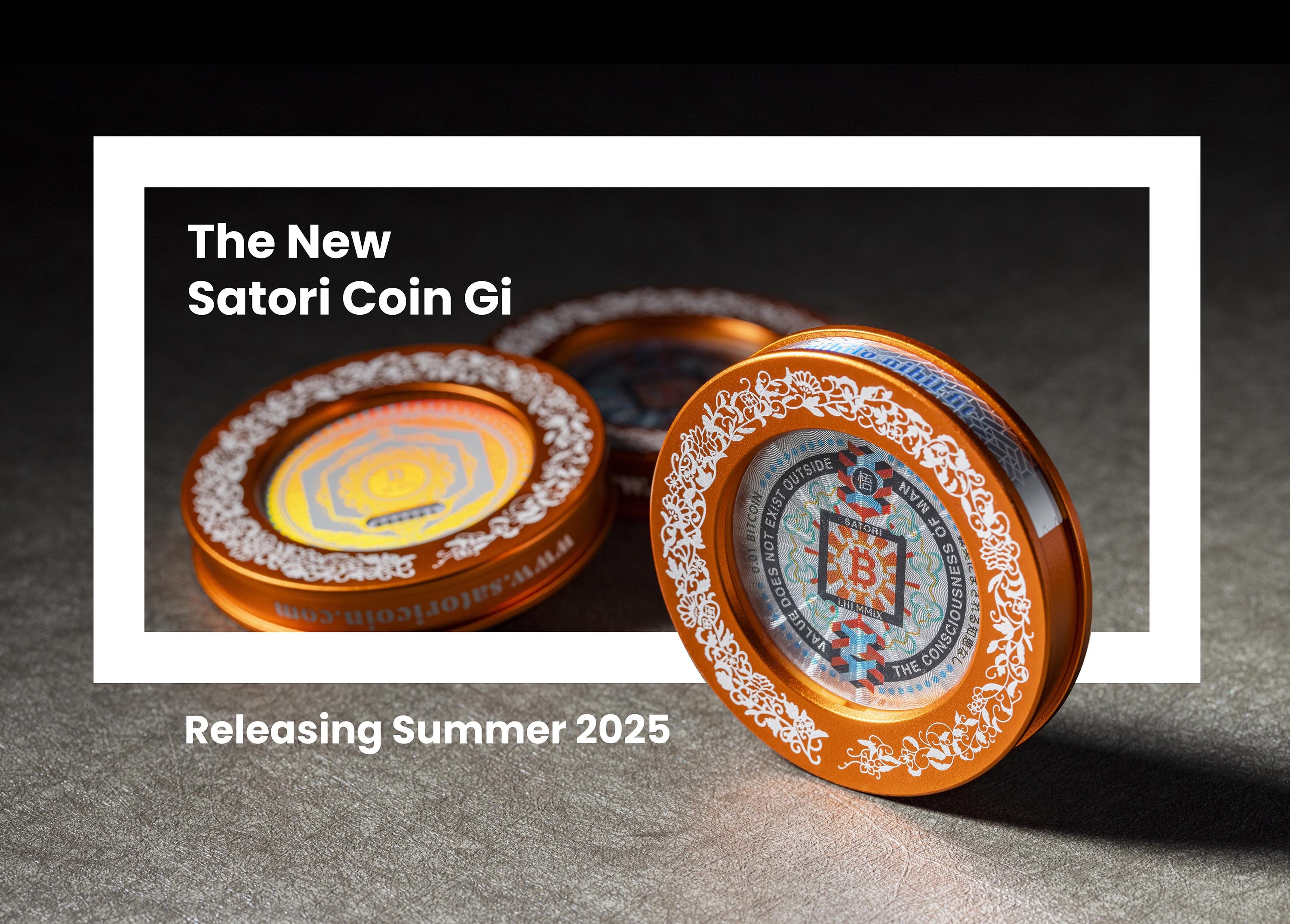
💡
Unfortunately, because of the exchange regulations, it can't be bought directly from Japan.
The design isn't the only thing that has changed. With traditional physical bitcoins, the bitcoin was sent to an address tied to a private key generated by the manufacturer. If the manufacturer generated a weak private key, kept the private key instead of deleting it, or leaked it, the BTC on the physical bitcoin could be stolen. The new Satori Coin is also an attempt to fix this. How does it work? Let's take a closer look.
(The details haven't been published, so parts of this are educated guesses.)
• A design that lets them claim it's "not custodial"
• It may be harder to resell
• The innovation deserves credit, but it won't become the new standard for physical bitcoin
A design that lets them claim it's "not custodial"
Normally, the maker of a physical bitcoin generates a private key and its corresponding address, and the private key is printed on the coin itself, hidden under a sticker. With this setup, there is a real risk that the private key leaks somewhere during manufacturing or distribution.
The new Satori Coin is different. It appears that before shipping, an address is generated as a "2-of-2 multisig between the manufacturer (Satori Coin) and the buyer," and the manufacturer's private key and the 2-of-2 address are printed on the coin.
It may also mean that depositing exactly the 0.01 BTC printed on the face of the coin is the buyer's job.
Besides reducing the risk of leaks during manufacturing and distribution, this has another benefit: if something goes wrong in distribution, the BTC can be recovered. To make that possible, Satori Coin appears to keep the necessary information, such as the manufacturer's private key.
However, if buyers deposit the bitcoin themselves and a list of Satori Coin addresses is published, that creates a privacy problem (some people will analyze the addresses the deposits came from). With that in mind, perhaps Satori Coin will make the deposits for the buyers.
Satori Coin Gi uses a 2-of-2 multisig design. You generate one private key; we generate the other, and you fund it during the checkout process. We cannot move or access your Bitcoin without your key, which is known only to you.
— Satori Coin (@satoricoin) August 27, 2025
According to Satori Coin's own explanation, the buyer is supposed to make the deposit
It may be harder to resell
Because of the 2-of-2 multisig setup, someone who buys a coin on the secondary market can't move the bitcoin on it as is. If the multisig address is recreated when the coin changes hands, the bitcoin ends up stored at an address different from the one printed on the coin.
In that sense, while the secondary market for physical bitcoins like Casascius has separate prices for "redeemed" and "unredeemed" coins, new Satori Coins on the secondary market will probably be essentially "redeemed" by default.
For the same reason, you can't casually hand them to someone as a coin, and you could say they are far more of a display piece than the first generation. Then again, given the difference in the original selling price, they probably weren't meant to be handed around anyway. (One advantage of the cheap poker-chip version was that you could easily give one as a gift, but the new one is too expensive for a casual gift.)
The innovation deserves credit, but it won't become the new standard for physical bitcoin
Until now, physical bitcoins have been made with the same ancient technology as paper wallets (with the flaw that you have to trust the manufacturer). The new Satori Coin deserves credit for changing that.
That said, as for whether it will become the new standard for physical bitcoin, for the reasons above I suspect it won't fit well into the existing market. My impression is that rather than being something you can use in transactions as "bitcoin made tangible," it leans more toward being a work of art or a collector's item, and is drifting out of the "physical bitcoin" category altogether.
It looks incredibly cool, so I'd love to get one from the primary sale, with a proper balance on it.