How Japanese Businesses Can Accept Cash App via Lightning

This article was translated from Japanese with AI. Read the original (日本語) · Report a translation issue
Cash App, the payments app run by US-based Block, supports payments over the Lightning Network (Lightning). What stands out is that it doesn't just let users send and receive over Lightning: they can make Lightning payments straight from their US dollar balance.
Block's CEO is Jack Dorsey, known as a co-founder of Twitter (now X) and a longtime vocal supporter of Bitcoin. So even at a large company like Block, with a market capitalization of roughly 6 trillion yen, it seems only natural that its services would build in Bitcoin features.
That said, sympathy with Bitcoin's ideals alone would hardly be enough to build consensus among employees and shareholders. In my view, there are sound business reasons for Cash App to support Lightning.
In this article, I lay out some hypotheses about why Cash App adopted Lightning. I then explain how Lightning support means that Japanese businesses, which normally can't accept Cash App at all, can now receive payments from Cash App users.
What is Cash App?
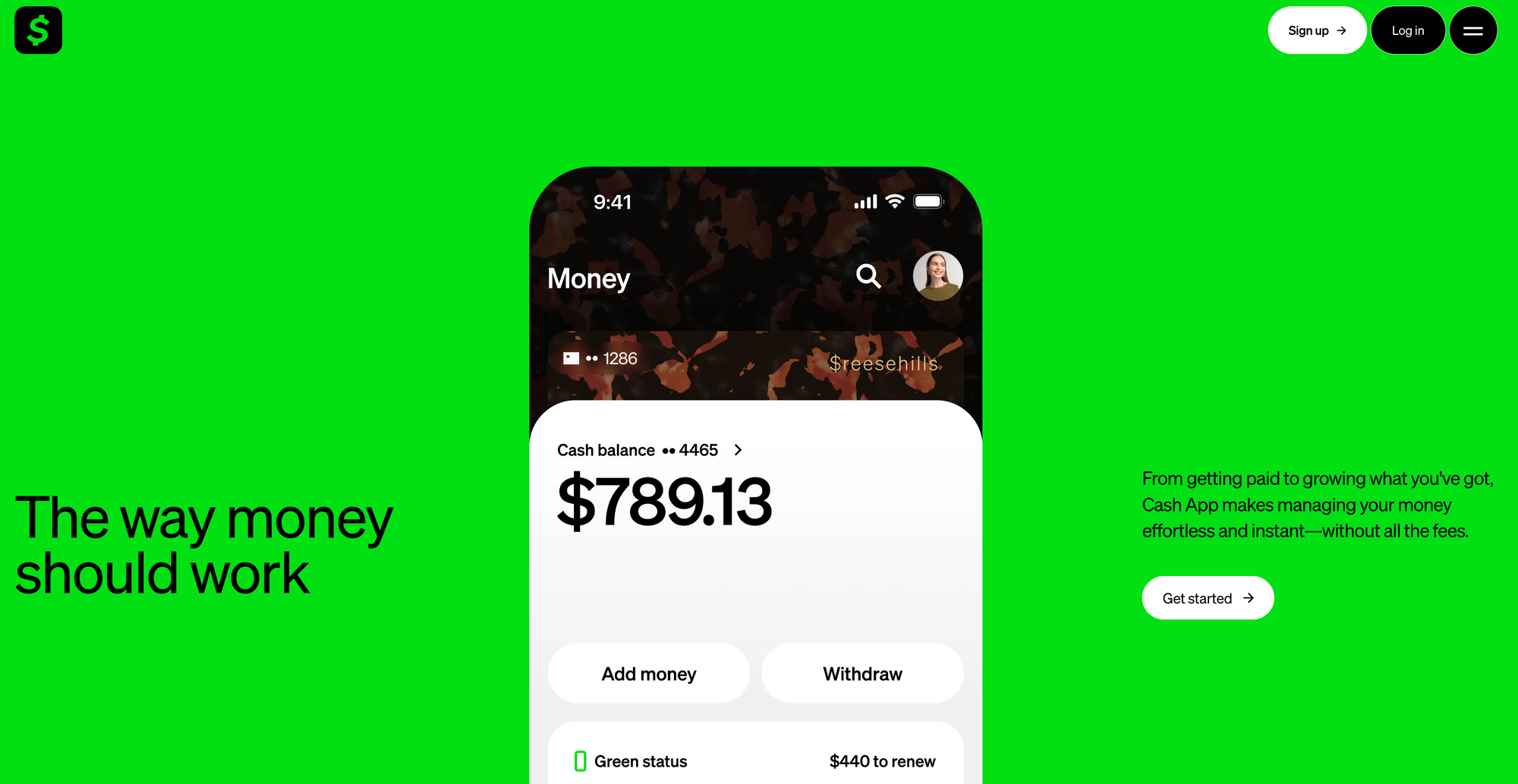
Cash App is a smartphone app for sending money between individuals. The closest equivalent in Japan is probably PayPay. In the US it's widely used for everyday transfers, like splitting the bill with friends or paying rent.
Cash App operates at a large scale, with about 59 million monthly active users (as of June 2026). The US population is about 340 million, so that's roughly one in six. Since the figure includes users outside the US, you can't quite say "one in six Americans," but it is clearly a widely used payments app in the US.
Cash App isn't just for sending money. With its own debit card, the Cash App Card, users can pay in stores and online. It can also serve as an account for receiving paychecks, lets users trade stocks, and since 2018 has let them buy and sell bitcoin. The service keeps expanding to bring all the money coming in and going out into a single app.
Cash App's Lightning support
Cash App's Lightning support grew out of its existing features for buying and holding bitcoin. It added sending in January 2022 and receiving in October of the same year. Both are available to users in the US, except New York State.
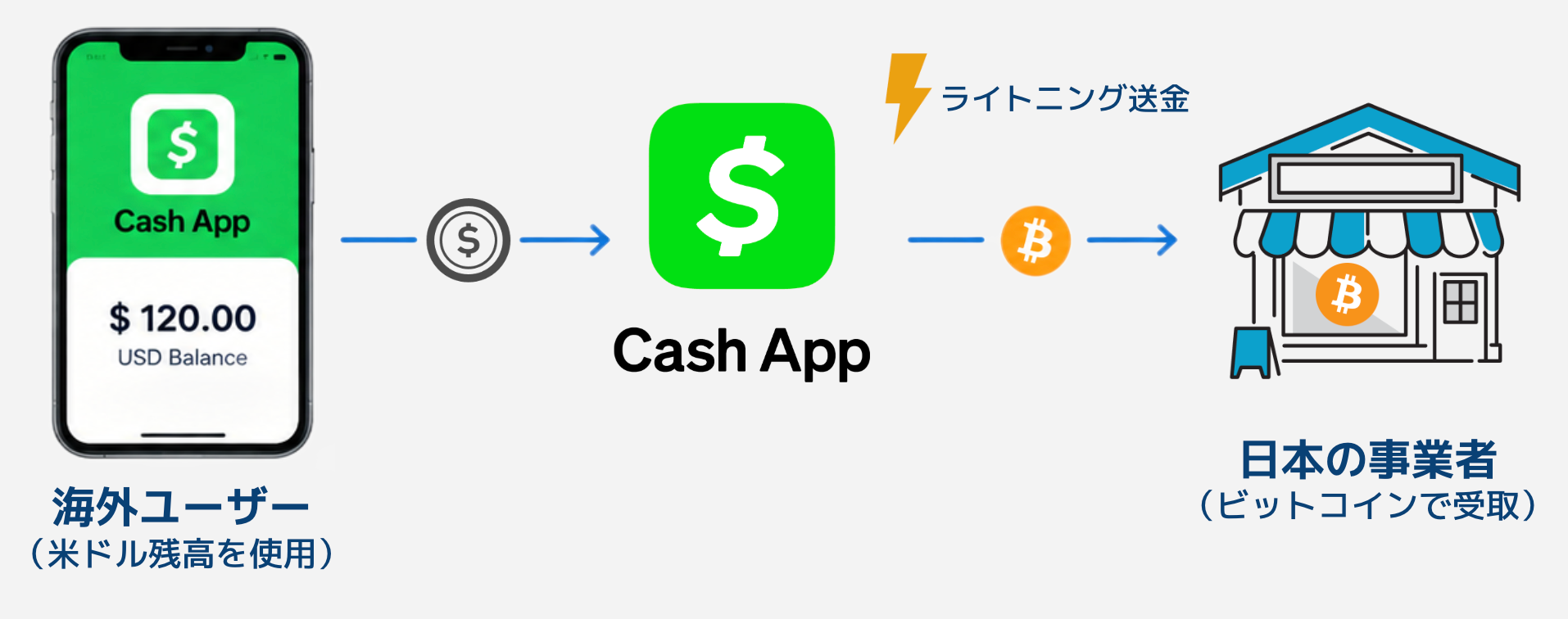
Since November 2025, users can scan a Lightning payment QR code while still holding only a US dollar balance, and the merchant receives bitcoin. Behind the scenes, Cash App exchanges the dollars for bitcoin, and the merchant receives bitcoin over Lightning. In other words, Cash App users can pay over Lightning without ever holding bitcoin, as long as they have a US dollar balance.
You could also say that Lightning payments have been unlocked for Cash App's roughly 59 million monthly active users.
To learn more about how Bitcoin and Lightning relate to each other, see the article below.
「ビットコインは決済に使えない」はもう古い!ライトニングネットワークで高速決済を実現
ビットコイン決済が抱えていた「遅い」「高い」「価格変動リスクがある」といった問題を解決し、ビットコインを決済手段として実用的なレベルまで引き上げたライトニングネットワークについて紹介します。世界中でのいくつかの導入事例を紹介し、日本企業がどのように活用したらよいかについてもご提案します。
 加藤 規新
Two sound business reasons for Cash App to support Lightning
On Cash App, users can of course make Lightning payments with bitcoin they hold, but they can also make them with their US dollar balance. I see two reasons why Lightning support matters for a service like Cash App.
1. Lightning crosses borders without licenses
Regulatory compliance is a major hurdle for payments apps. Money transmission licenses are required not only in the US but in each country, and obtaining and maintaining them takes time and money.
PayPal, for example, expanded by obtaining licenses country by country. That approach costs time and money up front and on an ongoing basis, though it also creates a barrier to entry for competitors.
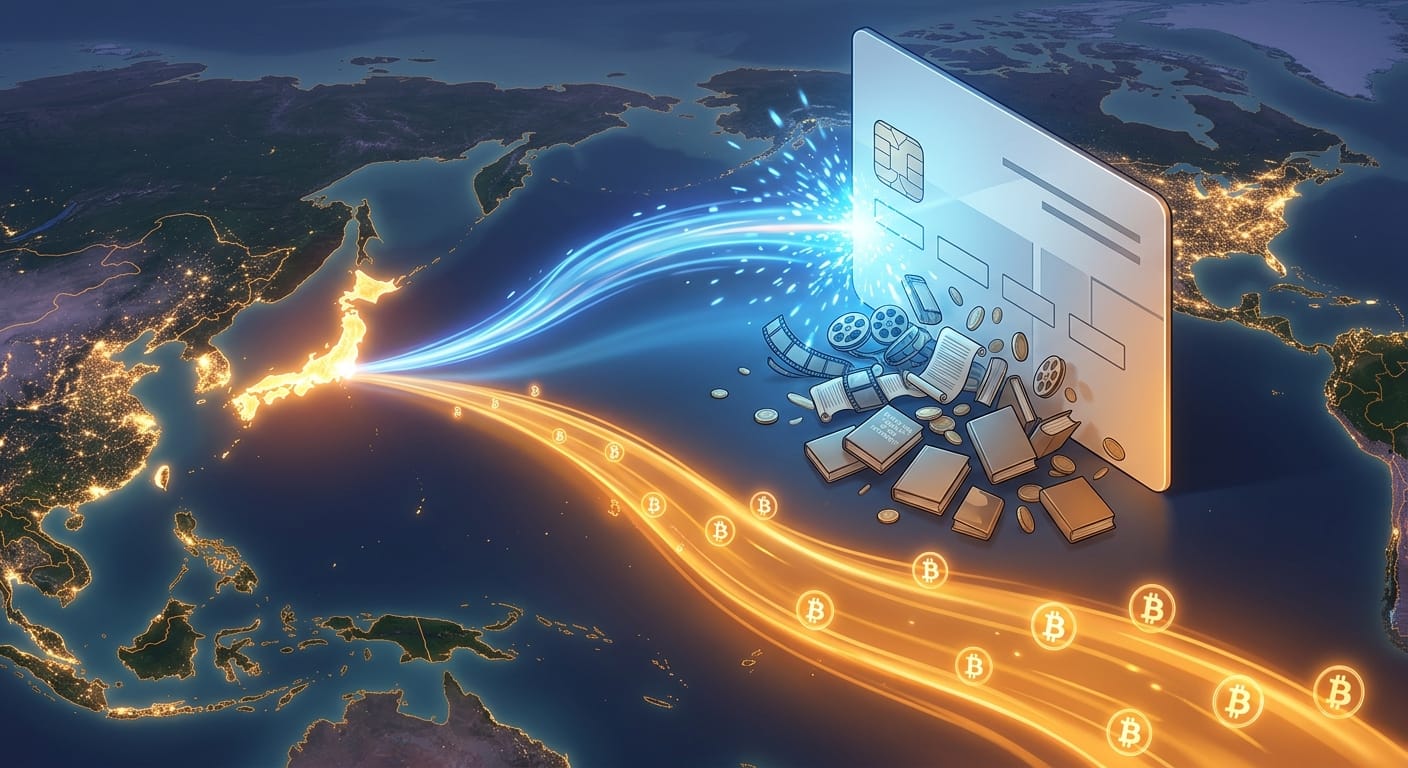
By supporting Lightning payments, Cash App lets its users pay at any shop or service in the world that accepts Lightning. Without spending time acquiring licenses in each country, it gains access to all the merchants that already accept Lightning.
It can also cut future costs and risks, such as dealing with banks and currency exchange in each country or adapting to changing laws and regulations. Those savings can then be put toward improving Cash App itself.
2. More places to spend, without signing up merchants
Normally, for a shop or service to accept a payments app, it has to sign a merchant agreement or link a bank account. Because these payment systems are closed, each merchant needs its own account and setup.
Lightning, by contrast, is an open source system. Once a shop or service accepts Lightning, it effectively accepts payments from Cash App too.
The more merchants accept Lightning, the more Cash App users can buy, and the more they use Cash App. More use cases bring more users, which in turn brings more merchants who want to accept it. Cash App's count of contracted merchants doesn't go up, but the numbers that really matter, payment volume and the number of places where users can pay, tend to grow on their own.
And since the US is one of the largest consumer markets in the world, it makes sense for Cash App to expand the places and services where its users can spend, both in the US and abroad.
Jack Dorsey's belief in Bitcoin surely plays a part, but supporting Lightning payments stands on its own as a business decision.
With Lightning, businesses in Japan can accept Cash App
For Japanese businesses, accepting Cash App's US dollar payments isn't realistic. The service isn't offered in Japan in the first place, and receiving US dollars into a bank account is difficult.
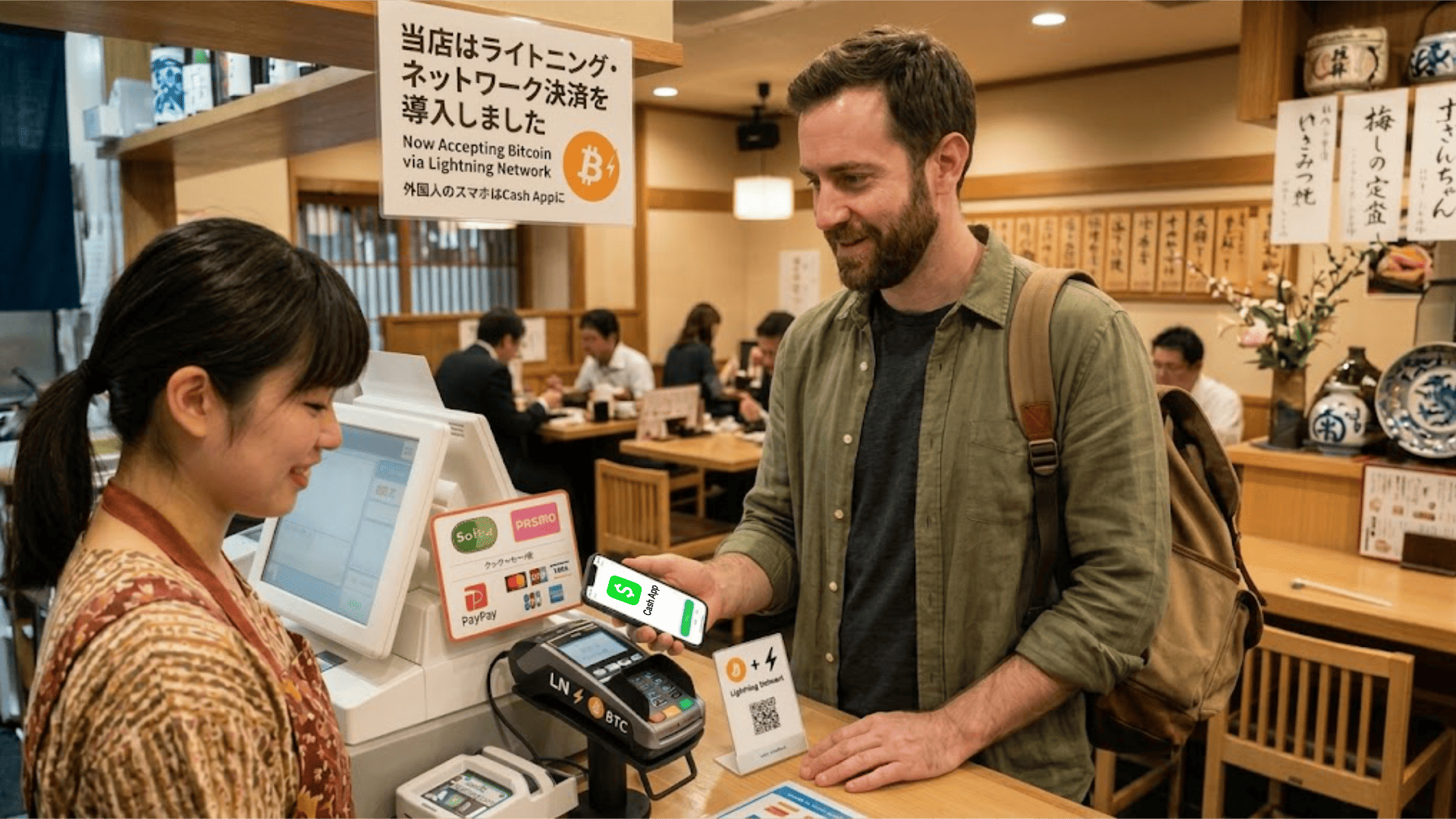
However, as long as a Japanese business accepts Lightning payments, it can take payments from Cash App users.
As mentioned above, Cash App supports Lightning payments not only from a bitcoin balance but also from a US dollar balance. Cash App converts the dollars to bitcoin behind the scenes, so the user experiences it as spending US dollars, while the merchant receives bitcoin.
The key point is that the buyer doesn't need to be a bitcoin holder or a Bitcoin supporter. Even a Cash App user who knows nothing about Bitcoin can pay with no extra steps, just by being shown a Lightning payment QR code. And of course, the merchant receives the funds instantly via Lightning.
A Japanese example of accepting Cash App
A guesthouse in Shiga Prefecture has put up a poster saying it accepts Lightning payments and Cash App. About 10% of its guests are American, so showing that it accepts Cash App may encourage them to use it.
【インバウンド向け決済の新手法】
— 丸の肉OL@5/30,31 JRRF2026 G-211 (@icchinakka) July 1, 2026
滋賀の友人が経営しているゲストハウスで、ハウス内での飲食物の購入にCashApp @CashApp → Bitcoinでの支払いスキームを推奨するポスターを実験的に導入してもらいました⚡️
外国人の宿泊客の1割はアメリカ人とのことで、実際に使われる日も近そう! pic.twitter.com/zWGhfWYCOx
For visitors to Japan from abroad, currency exchange fees and uncertainty about how to pay are real pain points. Being able to pay with Cash App, an app they already use every day, gives them peace of mind at checkout.
💡
One caveat: Cash App users may not know that they can make Lightning payments with their US dollars at all. You could say Lightning payments have been woven into Cash App almost too seamlessly.
So if you want Cash App users to pay you, adding "Cash App accepted" rather than just "Lightning accepted" makes things go more smoothly.
So if you want Cash App users to pay you, adding "Cash App accepted" rather than just "Lightning accepted" makes things go more smoothly.
Japanese businesses well suited to accepting Cash App (via Lightning)
Japanese businesses are on the producing side, creating goods and services, and Japan is also a tourist destination with strong inbound spending.
The best fit is goods and services that already have demand from American buyers, like the guesthouse in Shiga. In particular, accepting Cash App for in-person payments is likely to be most valuable at flea markets and restaurants in Tokyo, and at shops in places with many foreign visitors, such as Osaka and Kyoto.
In Japan, too, the number of restaurants accepting Lightning payments is gradually growing. Accepting Lightning payments means they can also accept payments from Cash App.
Komiyama, a high-end yakiniku restaurant in Nishi-Azabu, accepts both Lightning and on-chain payments.
Ramu Ramu Ramu near Ningyocho Station, in business since 1955, started accepting Lightning payments in September 2026.
めちゃくちゃ良い老舗の飲食店さんが本日ビットコイン決済対応しました⚡️⚡️
— 丸の肉OL@5/30,31 JRRF2026 G-211 (@icchinakka) September 24, 2026
ここはオシャレで美味いし、もう普通にここは行くしかないです
ビットコイン決済広がってるな(地道に) pic.twitter.com/AAlHRDUjOO
Cocolotus, which runs dozens of food trucks across Tokyo, also accepts Lightning payments.
There are many more shops and services in Japan that accept Lightning than I can list here, and they can effectively accept payments from Cash App as well. And of course, beyond Cash App users, they can also accept payments from Lightning users around the world.
Where there's demand from American buyers, this works for online payments too, not just in person. Cross-border e-commerce, digital content such as anime and games, trading cards, and services aimed at overseas customers are all possibilities.
The benefit for Japanese businesses is that simply accepting Lightning payments lets them take payments from Americans. On its own, accepting Lightning would only reach bitcoin holders, who are likely not the majority. With Cash App, however, it opens up payments from a new customer base: Cash App's roughly 59 million monthly active users.
In recent years, payment processors have also been tightening restrictions on content. Adding free and open Lightning payments as a payment method, while bringing in new customers, is in my view an important option for keeping a business running over the long term.
日本のデジタルコンテンツ輸出に決済主権はあるか|ビットコインが奪還の鍵
日本のデジタルコンテンツ輸出における決済主権の問題を整理します。VISA・Mastercardによる一方的なルール変更やチャージバックリスク、JCBやステーブルコインでは解決しない理由、そしてなぜビットコインだけが決済主権を取り戻す手段となるのかを考察します。
 守屋 彰眞

Lightning support isn't just about Cash App
The move to support Lightning payments may spread beyond Cash App.
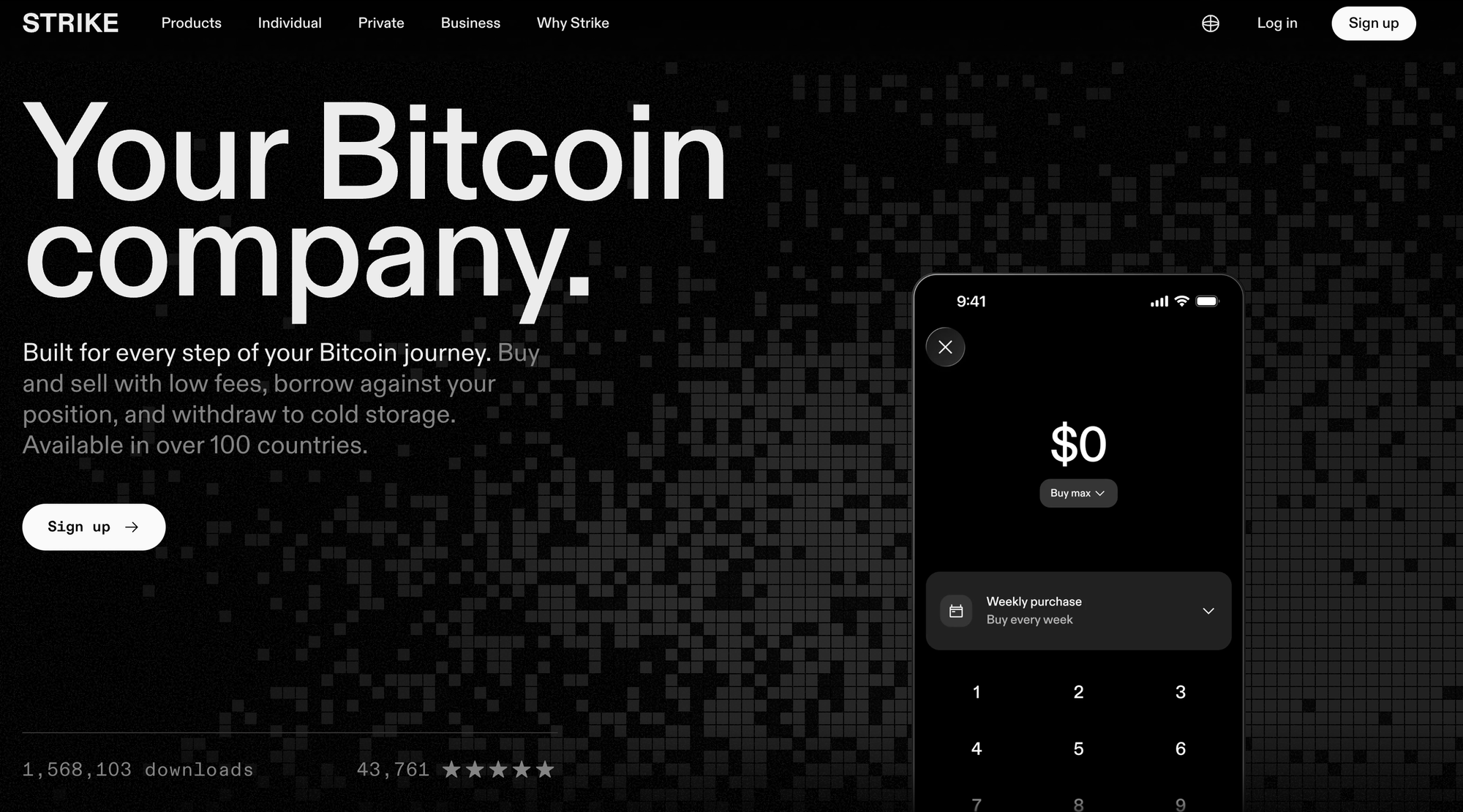
Wallet services like Strike and Xapo Bank, which holds a banking license in Gibraltar, already offer transfer and payment features built on Lightning.
As discussed in "Two sound business reasons for Cash App to support Lightning," supporting Lightning helps payments apps expand globally and gain more use cases.
So when a Japanese business accepts Lightning payments, it can take payments not only from Cash App and wallets that handle Lightning, but also from payment services that add Lightning in the future. No partnership or contract is needed with each app.
It amounts to building a single, shared point of acceptance for the Lightning payment apps that may emerge from here on.
Summary: accept Lightning and you can accept Cash App
Cash App is a US payments app used by about 59 million people. Expanding a payments app overseas runs into licensing barriers, but by supporting Lightning, it can broaden where it can be used without having to clear licensing hurdles in each country.
Businesses in Japan can't accept US dollar payments from Cash App. But if a Japanese business accepts Lightning payments, it can receive payments from Cash App users.
The same trend may spread to other apps, and accepting Lightning is a single step that lets you take payments from multiple apps. Start accepting Lightning and capture payments from Cash App.
Japan Bitcoin Industry Inc. is building "aurora," a Lightning payment infrastructure for businesses that want to sell their goods and services more globally. If this article has made you curious about adopting Lightning payments, feel free to get in touch.
aurora|決済インフラ | 日本ビットコイン産業株式会社
自社サービスや製品をもっとグローバルに販売したい。新たな顧客に層を開拓したい。auroraはそんな課題を解決する決済インフラです。