Bitcoin 2025 Year in Review: Knots, Treasury Firms, Spark

This article was translated from Japanese with AI. Read the original (日本語) · Report a translation issue
Happy New Year, everyone. How are you spending the holidays? At this time of year I find I have more room than usual to step back and think about the big picture for Bitcoin. Looking back over the articles I wrote over the past year, it was, as always, a year full of all kinds of topics.
Personally, I felt 2025 was a year when low-value "noise" dominated the conversation, and the discussions that truly matter in the long run, the ones you might call "signal," struggled even more than usual to get attention. Public awareness of Bitcoin also grew, mainly through treasury companies, but how good that actually was for Bitcoin remains to be seen.
Meanwhile, on the theme of "using and earning Bitcoin," which will matter more and more going forward, Spark has been integrated into a range of wallets, starting with Wallet of Satoshi, in an effort to popularize self-custodial Lightning payments. At the same time, I have to admit that some aspects of Spark's direction and design sit uneasily with me.
In this article, my annual look back, I'll try to sum up what 2025 meant for Bitcoin.
• A pointless technical dispute that threatened to drown out the important discussions
• Treasury companies surged in the first half, then became a drag in the second
• Spark rapidly spreads as the infrastructure behind Lightning wallets
A pointless technical dispute that threatened to drown out the important discussions
First, the thing that stood out most in 2025 was the so-called Knots controversy.
As I've covered on this site, the background is that quite a few Bitcoiners regard use cases that write data directly to Bitcoin, such as Ordinals inscriptions, as "spam" and dislike them. The mining pool Ocean, launched at the end of 2023, had already stirred controversy with its approach of deliberately censoring that kind of transaction.
マイニングプールによる検閲の影響力をおさらいする
ここ最近マイニングプールによる検閲が熱いトピックとなっています。9-10月にかけて業界3番手のマイニングプールであるF2PoolがOFAC規制に基づき制裁対象となっているアドレスからのトランザクションを意図的に含めていなかったことをリサーチャーの0xB10C氏が検知し公表しました。 Bitcoin’s Anti-Censorship Ethos Surfaces After Mining Pool F2Pool Acknowledges ’Filter’After a blockchain sleuth reported that the Bitcoin mining pool may have censored a transaction from an address blacklisted by U.S. authorities, critics responded, and so did the project’s co-founder.CoinDeskBradley Keoun 0xB10C氏はminingpool.observerという検閲検知ソフトを公開しています。
 加藤 規新

Ocean had been steadily growing its share little by little, but in the spring of 2025 Bitcoin Core decided to make a change that would make it easier for transactions that write data via OP_RETURN to reach miners. Because Core pushed ahead even though the community was divided, Luke Dashjr, the head of Ocean, called on people to run Bitcoin Knots, a fork of Bitcoin Core he has long maintained, and the debate quickly heated up.
💡
Bitcoin Knots follows Bitcoin's consensus rules, so it does not fork the blockchain. It is simply an implementation that differs slightly from Bitcoin Core in areas outside of consensus (such as the rules for transaction propagation).
As I've also explained on this site, Bitcoin Core's move to relax its mempool policy is a change that aligns nodes' relay policy with what actually gets mined, and its purpose is in fact to eliminate the various problems that arise when the two don't match. Bringing each node's view closer to reality makes Bitcoin easier to use, both for ordinary Bitcoin users and for Layer 2s such as Ark.
OP_Return戦争再び:ブロックチェーンにデータを刻む機能について再燃する議論
今週、ビットコイン関係のツイッターがある話題で持ちきりになっています。GitHubのBitcoin CoreリポジトリにPeter Todd氏が提出した以下のプルリクエストです。 Remove arbitrary limits on OP_Return (datacarrier) outputs by petertodd · Pull Request #32359 · bitcoin/bitcoinAs per recent bitcoindev mailing list discussion.
Also removes the code to enforce those limits, including the -datacarrier and -datacarriersize config options.
These limits are easily bypassed by…GitHubbitcoin この提案は、現在Bitcoin
加藤 規新
レイヤー2プロトコルの実装に役立つ「Pay to Anchor(P2A)」とは?
最近はビットコインの手数料相場が低めで推移しているため、送金が詰まってしまったという方は少ないかもしれません。しかし、ギリギリの送金手数料でトランザクションを配信した後、手数料相場が上昇してしまって送金が取り残されるという経験をしたことがあるビットコイナーは多いはずです。 個人の送金であれば、同じトランザクションの手数料を増やして再配信することができます。このReplace-by-feeという挙動が既定になって数年が経ちました。 Bitcoin Core 24.0からのFull RBF既定化についての議論まとめこの1週間ほど世間の話題はFTXの信用不安問題で持ちきりですが、ビットコイン開発者の多くは全然違う論争に巻き込まれていました。Bitcoin Coreの次期リリースである24.0において、ノードのポリシーとしてFull RBF (mempoolfullrbf)というものが導入される予定のところ、これに反対する意見が出たためです。 結果的には導入継続という流れになりましたが、このように誰でも意見・議論できることがビットコイン開発における健全性維持の1つの仕組みです。 それでは議
加藤 規新
Even so, Bitcoin Core couldn't adequately persuade people in the face of emotional backlash such as "Don't let shitcoin (or shitcoin-related) data be written to Bitcoin" and "Haven't the Bitcoin Core developers been bought off?" As a result, the pointless debate dragged on endlessly throughout 2025. (At one point some extremists even started talking about whether or not to fork, and my impression is that things have only recently calmed down a bit.)
Meanwhile, discussions about introducing covenants that would benefit Layer 2s such as Ark, and about making Bitcoin quantum-resistant, have been progressing steadily, even if they aren't getting much attention. On quantum resistance, the deadline is still some way off, and it is crucial not to rush in a flawed mechanism, so I expect the discussion to continue at a cautious pace.
ビットコインは量子コンピューター耐性をどうやって手に入れるのか
ここ数年、定期的に話題に上がる量子コンピュータのビットコインに対する脅威が今週もツイッターで話題になっていました。確かに量子コンピュータは進歩していますが、現時点で状況が大きくは変わっておらず、ビットコイン研究所のFAQにも簡潔な回答があります: 量子コンピューターが出てきたらビットコインは大丈夫なのか?豊かな知識とともに。ビットコイン研究所田中 芳治 また、4年近く前に有識者によってSpotlightに投稿された以下の記事もとても参考になるので、お時間のある方は読んでみてください。 ビットコイン vs 量子コンピュータ本記事では結局量子コンピュータはブロックチェーンに対してどのような影響があるのかをなるべく詳細に説明Spotlight😆 この話題が盛り上がるとき、多くの場合話題の中心は「量子コンピュータがどのようにビットコインに対して脅威なのか」「時期的にはいつくらいからリスクがあるのか」「自分が取れる対策は」というテーマになります。しかし重要なのはビットコインがどのようにして量子コンピュータ耐性を獲得するのか、そのプロセスなのではないでしょうか。 今日はビットコインが量
加藤 規新
In light of the Knots controversy, I've come to think that, on the development side, it may often be better when discussions don't become prominent and spill over onto social media. Especially lately, there have been scattered instances of what amounts to a DoS attack, using LLMs to post plausible-sounding replies that waste the time of developers and experts. And quite simply, when lots of people split over trivial details, it seems easy to fall into so-called bikeshedding.
Treasury companies surged in the first half, then became a drag in the second
The other thing that stood out was the treasury company craze. Metaplanet's market capitalization at one point grew as much as ninefold from the start of 2025, and treasury companies sprang up around the world like mushrooms after the rain. Most of those launched in the second half of the year, as the boom was fading, have continued to struggle in terms of price.
💡
Note that by "treasury company" I mean a company that touts its Bitcoin holdings as a stock price strategy (a business aimed at shareholders). That is a different concept from a company that simply holds some or all of its funds in bitcoin as a hedge against the risk of fiat currency losing its value. The latter will keep growing in number.
For sheer amusement, in August a Japanese kimono company called Hotta Marusho renamed itself Bitcoin Japan Corporation, yet if I understand correctly it still doesn't even hold any bitcoin, which is rather ironic given its name.
BitcoinTreasuries.NET - Top Bitcoin Treasury Companies
Track Bitcoin holdings of public companies, governments, and institutions. Live data on corporate BTC treasuries with real-time valuations.


A site that collects data on treasury companies
Since it isn't a technical topic, I haven't written much about treasury companies on this site, but I feel that, along with the Knots controversy, it was one of the two big trivial themes of the year. The logic for buying a treasury company rather than buying bitcoin directly depends almost entirely on some fool showing up to buy the treasury company's shares at an even more inflated price than you did, so it has little to do with Bitcoin itself. And of course, holding bitcoin through a company doesn't even let you move it freely.
That said, the treasury company phenomenon is precisely a result of "Bitcoin being widely recognized as a store of value." The store of value narrative has clearly spread to an unprecedented degree.
💡
Of course, it's not that Bitcoin came to be recognized as a store of value thanks to treasury companies. It's because Bitcoin is trusted as a store of value that so many companies feel comfortable adopting it as a stock price strategy.
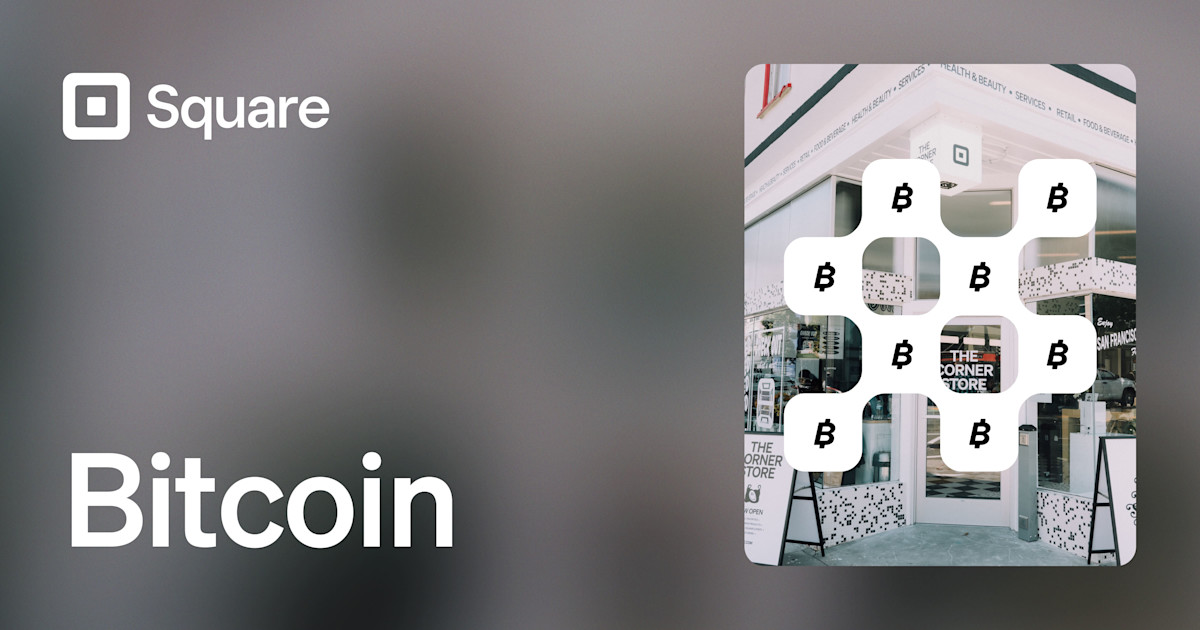
What follows is my own view, but I think that once its role as a store of value is widely accepted, its function as a medium of exchange, in other words Bitcoin payments, will finally get a second look. When people want bitcoin, demand emerges not only to buy it but also to receive it. At the end of the year, Block not only introduced Bitcoin payments to Square but also added a feature that lets merchants "receive up to 50% of dollar-denominated sales in bitcoin." That seems likely to catch on more easily than plain Bitcoin payments, and I think it was a shrewd move.
Accept Bitcoin with Square | Automatic Settlement & No Fees
Start accepting Bitcoin Payments with Square — seamless settlement, no processing fees, and easy access to your funds. Sign up today.

As for Bitcoin payments themselves, I think they'll spread even more easily if the paying user and the merchant can split the benefits of using Bitcoin.
Spark rapidly spreads as the infrastructure behind Lightning wallets
Another pretty big shock was that Wallet of Satoshi implemented a self-custody mode and chose Spark as its backend. Spark itself was only announced in the summer of 2024, so I imagine things moved quite quickly.
Lightsparkが発明した新しいレイヤー2:Spark
ノンカストディアルなライトニングをエンドユーザー向けにスケールさせることの難しさはウォレット事業者が一番痛感しています。これが最近の記事でも取り上げた「Nodeless Lightning(Liquid Networkを使わせるライトニングウォレットのバックエンド実装)」のようなアイデアにつながっています。 セルフカストディ型のライトニングウォレットのスケーラビリティを補完できる技術は出てくるのかライトニングでセルフカストディをしようと思うと、最低でも自分でチャネルを保有する必要があり、よりトラストレス性を高めようと思えば自分のノードを立てることになります。したがって、世の中にあるセルフカストディ型のライトニングウォレットはこのいずれかの形をとっています。 しかし、この使い方にはコストがつきものです。例えばチャネルの開設には今のオンチェーン手数料が低迷している環境でも数十円、場合によっては数千円以上になることも考えられます。ライトニングノードの維持も無料ではありません。(趣味で維持している場合は無料のように考えてしまいますが) ライトニングはカストディ型で普及する、という今では主流の
加藤 規新
Beyond that, a variety of other wallets have adopted or are considering Spark, and it has become a trend. I've written several articles about Spark on this site. To put it simply, Spark is a non-custodial, regulation-driven product inspired by statechains and Ark, which lets end users withdraw unilaterally while in practice requiring a certain degree of trust in the operators.
SparkとXverseの提携で浮かび上がる、新種のビットコインエコシステム
Wallet Of Satoshiのノンカストディアル版のバックエンドに採用されたSparkですが、他にも導入するウォレットが出てくるなど快進撃が続いています。 Lightsparkが発明した新しいレイヤー2:Sparkノンカストディアルなライトニングをエンドユーザー向けにスケールさせることの難しさはウォレット事業者が一番痛感しています。これが最近の記事でも取り上げた「Nodeless Lightning(Liquid Networkを使わせるライトニングウォレットのバックエンド実装)」のようなアイデアにつながっています。 セルフカストディ型のライトニングウォレットのスケーラビリティを補完できる技術は出てくるのかライトニングでセルフカストディをしようと思うと、最低でも自分でチャネルを保有する必要があり、よりトラストレス性を高めようと思えば自分のノードを立てることになります。したがって、世の中にあるセルフカストディ型のライトニングウォレットはこのいずれかの形をとっています。 しかし、この使い方にはコストがつきものです。例えばチャネルの開設には今のオンチェーン手数料が低迷している環境でも
加藤 規新
Underlying the demand for Spark is the global tightening of regulation on virtual asset service providers (VASPs). For example, custodial wallets count as VASPs, so in countries where they aren't registered they risk being removed from app stores, and their operators face legal risk. (Wallet of Satoshi, for example, had pulled out of the US until it integrated Spark.)
In many countries, however, the current interpretation is that non-custodial services that don't involve exchange do not count as VASPs. So it's only natural that solutions like Spark are in demand as a way to support Lightning without being classified as custodial. The key point is that it's far simpler than traditional self-custodial Lightning support.
💡
As an aside, registering as a VASP could make the UX extremely ill-suited to payments because of things like Travel Rule compliance, so I think this is the right direction for wallets. Though in my view, the real problem is regulation that has slid into excessive compliance.
However, Spark's security depends on the two companies running the federation, Lightspark and Flashnet, not colluding, and these two companies are very closely related, with founders who are family. It's not out of the question that some countries could effectively regard it as custodial, especially strict ones like Japan.
Spark also includes its own policies whose philosophy differs somewhat from Bitcoin's, such as advertising stablecoin support, which raises concerns about whether its incentives will stay aligned with Bitcoin over the long term.
Is Spark a transitional technology until more trustless Ark-based solutions emerge, or will it keep a strong presence as regulatory-avoidance tech that offers "sufficient decentralization"? Whether its stablecoin support turns out to be a blessing or a curse is another open question. Spark is a technology worth keeping a close eye on going forward.
Summary
Here are the key points to take away from a look back at 2025:
• The Knots controversy and treasury companies generated a lot of buzz, but both are trivial topics with little real long-term impact on Bitcoin. They peaked around the summer and had cooled off by the end of the year.
• Various discussions, including covenants and quantum resistance, are moving forward, and technical improvements such as mempool policy are progressing. Oversight and debate matter, but social media influencing development can actually have negative effects.
• Spark remains worth watching as regulatory-avoidance tech for Lightning wallets (technology that makes it easy to support Lightning without counting as custody, and therefore without being a VASP). However, questions remain about the reality of its operating companies and its long-term compatibility with Bitcoin.